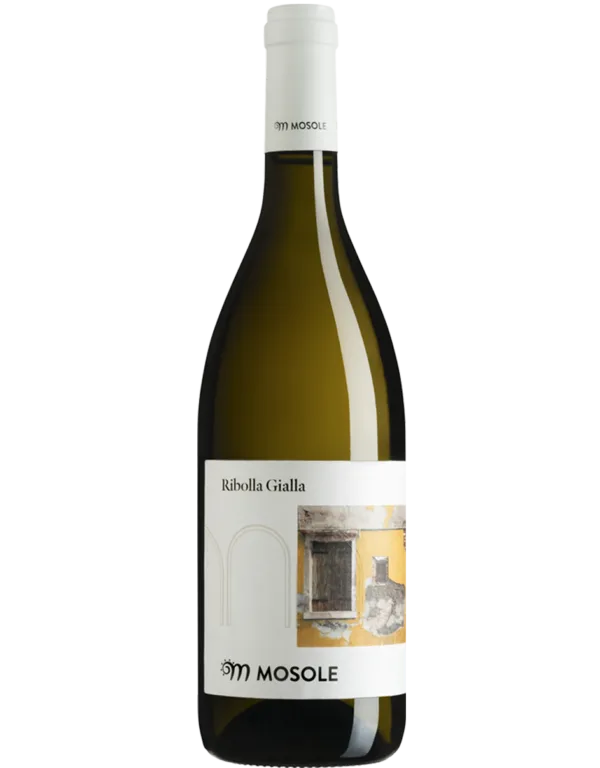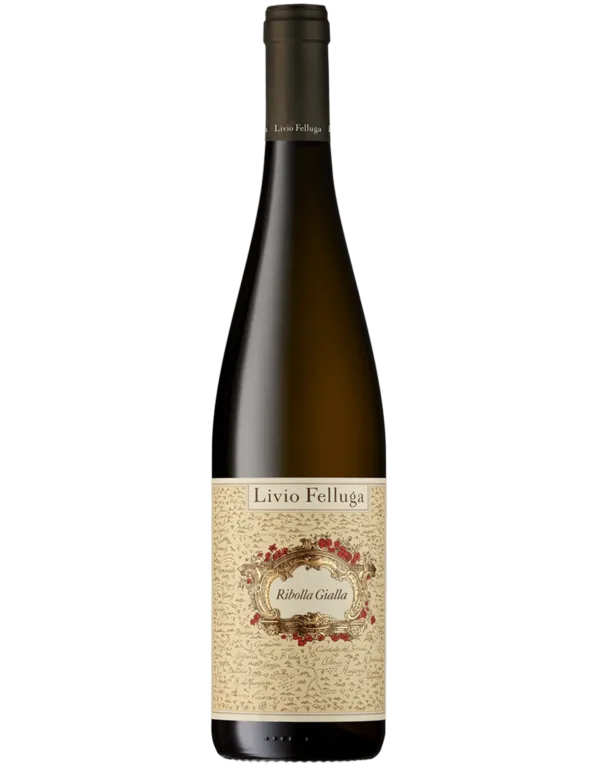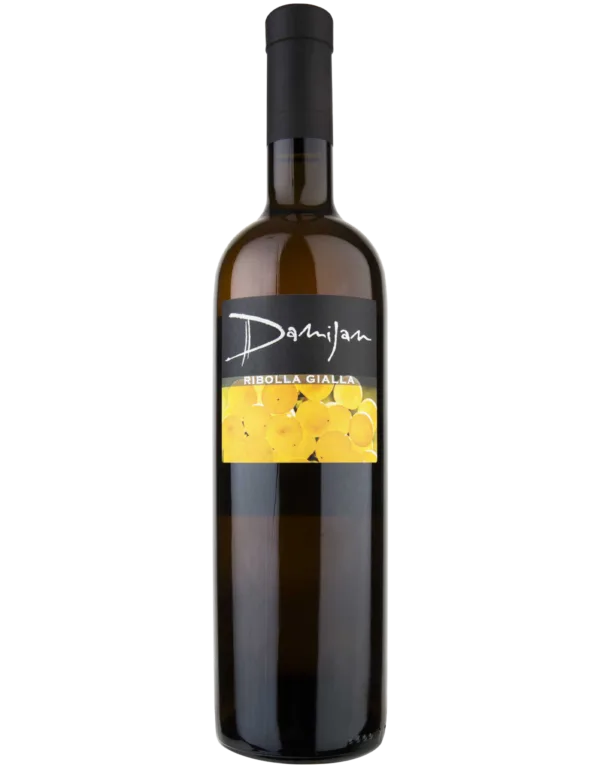
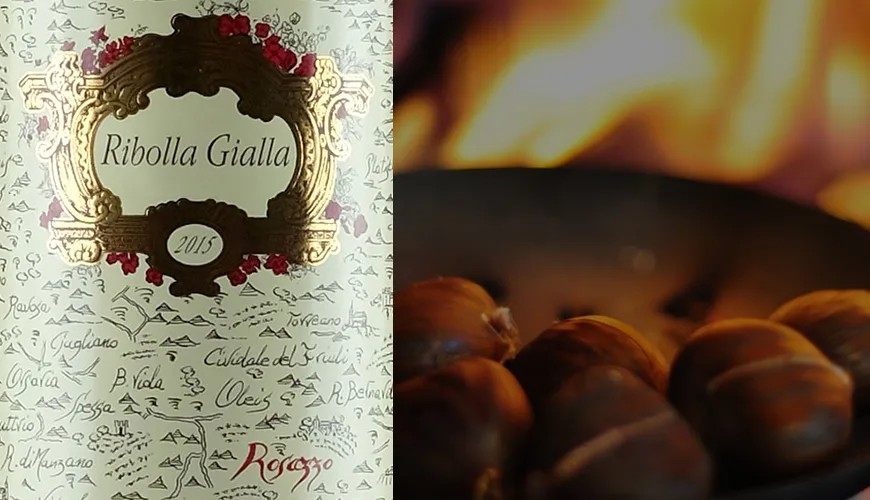
Friuli Venezia Giulia, the 1950s: the harvest has only just ended and the lightly pressed grapes are fermenting. Ribolla is not yet wine: it is slightly fizzy, low in alcohol, a partly fermented grape must with a high concentration of sugar.
Ribolla Gialla wine used to be tasted like this. On the evening of All Saints’ Day, people in Friuli would gather for a convivial tasting: Ribolla with chestnuts boiled with bay leaves or roasted over the embers, the tastiest of autumn traditions. It was Ribolla, not yet Ribolla Gialla, just a few steps away from being a real wine. The name came from the act of “ribollire”, to boil again: in autumn the bora wind chilled the cellars and halted fermentation, which only resumed with the warmth of spring. Winegrowers would then stimulate fermentation with the pomace. The result was different from the wine we know today, and October was still too early to taste it; Ribolla, still a must, needed to rest after its forced fermentation. So its sale in inns and public houses was forbidden for the whole of October. The 1st of November was the first day Ribolla could be tasted, a day of conviviality and celebration.
Friuli Venezia Giulia, today: the double fermentation is a memory, but Ribolla remains a young wine, to drink straight away and not suited to ageing. Ribolla Gialla is vinified as a single varietal, from 100% grapes of the variety of the same name; it is elegant, with an intense, fruity scent, fresh and with a slightly aromatic aftertaste. Ribolla Gialla is still harvested late and ripens slowly; its fermentation and winemaking differ from those of the past, but the tradition has not been forgotten: today Ribolla Gialla and chestnuts are still an autumn classic in Friuli.
To palates from outside Friuli this pairing may seem a little unusual. It is more common to pair chestnuts with a red wine, since the tannins soften the dense texture of the fruit; yet the delicate, slightly sweet flavour of chestnuts draws out the freshness of Ribolla Gialla.
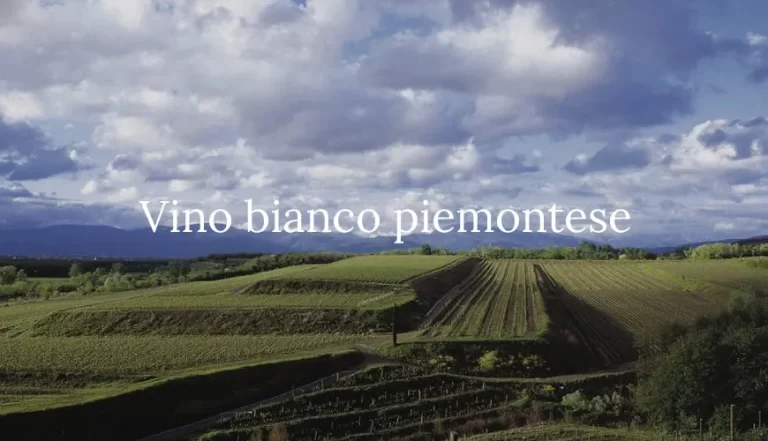
Friuli Venezia Giulia, from the palate to the heart: this is not a simple tasting. Ribolla Gialla and chestnuts are a pairing devoted to the past and to the land, to the seasonality of produce and to the calling of those who farm it. Collio is a land of wine, a land of woods, meadows, hills, streams and stretches of vineyards; it is a land of monoculture, and wine, mostly made from white grapes, was and remains a heritage to be preserved. Collio speaks of wine, and wine speaks of love and sacrifice. For the winegrowers, the first taste of Ribolla was their reward after the hard work, and so were chestnuts, a gift of Mother Nature. “Business first, then pleasure”: a shared moment, both in the fields and at the table.
And you, have you ever tried Ribolla Gialla with chestnuts?
If you are lucky enough to be in Friuli at this time of year, the best way to do it is to enjoy them there, in the places of tradition, the villages of Collio where every year there is more than one festival devoted to them. If you are far away, use your imagination: get out a tulip glass, pour the Ribolla Gialla at 10°–11° and savour it with roasted chestnuts, in front of a crackling fire if you can. Autumn has never been so warm…