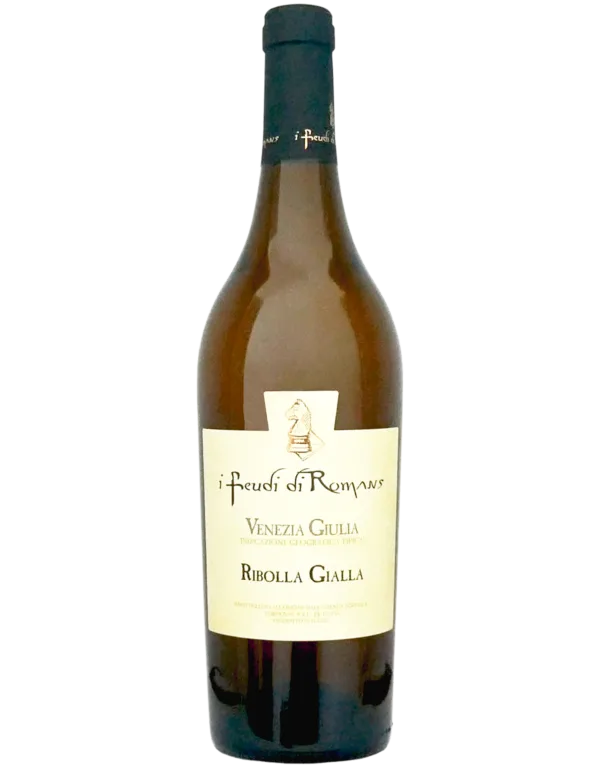
There is no wine lover who does not know the native white grape of Friuli-Venezia Giulia that gives rise to one of the most universally appreciated white wines.
Its name is Ribolla Gialla and its origins are shrouded in mystery: some believe it descends from the Avola grape imported by the Romans, others are convinced it comes from the Greek Robola traded by Venetian merchants. Historical documents tell of Ribolla Gialla wines being offered to political and military dignitaries as they entered the city of Udine. One thing is certain: the first record dates back to the 12th century, in praise of the Robiola wines of the Collio made from its grapes. Some called Ribolla Gialla ‘Rainfald’, like the German chroniclers who praised the white wine of Rosazzo in the 1300s, and others Rebula, like the neighbouring Slovenians, who thereby disputed its Roman origin.
Either way, then as now, everyone sings the praises of Ribolla Gialla. In 2016 Ribolla Gialla was even the most fashionable wine of the year, with sales showing a 31% increase.
The figures come from the analysis carried out by Coldiretti, which earned Ribolla Gialla first place on the podium of the best-selling wines in Italy in 2016, at Vinitaly 2017. It is a victory that brings glory to this Friulian white, but also to our country: not an international wine, but one of the most traditional and distinctive in our history, among Italians’ favourites.
Let’s find out more about this excellent Friulian white:
- A Ribolla Gialla for every production area
- Varieties and characteristics of Ribolla grapes
- Winemaking methods
- Quality and Ribolla Gialla wines
- How to serve it? How to taste it?
- Ribolla Gialla at the table: food pairings
- How to choose the best Ribolla Gialla?
- Ribolla Gialla and price
A Ribolla Gialla for every production area
In Italy, Ribolla Gialla grapes grow in two production areas of Friuli-Venezia Giulia: the Collio Goriziano and the Colli Orientali del Friuli.
Collio Goriziano Ribolla Gialla DOC. The Ribolla Gialla grapes grown in the province of Gorizia are used to make an excellent DOC white wine with remarkable organoleptic qualities. This Ribolla’s characteristic floral scent and its dry, fresh, lively taste make it well suited to raw fish starters, oysters and warty venus clams, fish-based first and main courses, as well as mushroom dishes, soups and velvety cream soups.
Colli Orientali del Friuli Ribolla Gialla DOC. The Friulian hills around Udine are home to lush vineyards, which benefit from the particular features of the terroir to the point of giving these Friulian wines a prized aromatic essence. A delicate scent of yellow fruit and white flowers and a fresh, slightly tangy taste are the typical traits of Colli Orientali del Friuli Ribolla Gialla DOC, excellent in delicious autumn pairings with roast chestnuts.
Colli Orientali del Friuli Rosazzo Ribolla Gialla DOC. This is one of the most important wine-growing areas, producing some of the finest Friulian wines. It was created in 1970 and lies within the province of Udine. The Ribolla Gialla wines made here generally take on a more or less intense straw-yellow colour and a characteristic scent; the taste is fresh, dry and particularly harmonious. Tradition has it that the favourite pairing for this wine is Granseola alla triestina, a spider crab typical of the Italian coasts cooked to an old local recipe.
Colli Orientali del Friuli Cialla Ribolla Gialla DOC. In the central strip of the province of Udine, close to the border with Slovenia, lies the Cialla sub-zone, among well-ventilated, sunlit hills where the Ribolla Gialla grape fulfils its full potential. The resulting white wine has a yellow colour verging on greenish, characteristic aromas and a dry, fresh, harmonious taste. The local culinary tradition offers various pairings for this wine, from fish, white meat and red meat dishes to cured meats and cheeses.
Ribolla Gialla from Oslavia. On the eastern edges of the Collio, beyond the Isonzo, lies a small hamlet of the city of Gorizia where strong winds, wide day-night temperature swings and the typical soil known as ponca favour vine growing to such an extent that the entire local economy is based on viticulture. The gentle hills of Oslavia are patterned with vineyards of Ribolla Gialla which, every year, are carefully tended by the few local growers behind the success of this small area. The resulting wine is a true gem: fragrant, unusual and fascinating, in its shy yellow colour that turns a more decided orange as it matures. The undisputed pairing with chestnuts leaves room for creative matches with the international flavours of this border land.
Varieties and characteristics of Ribolla grapes
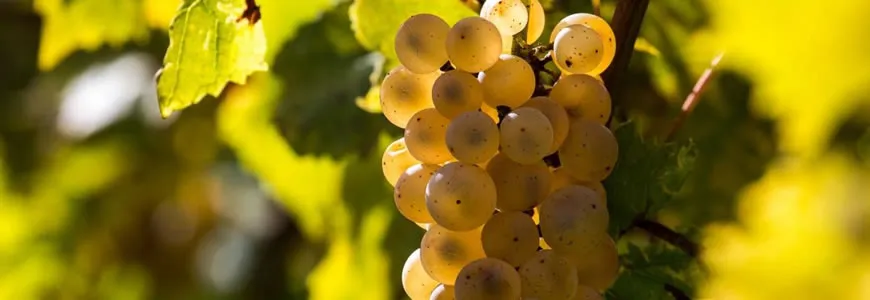
Yellow is not the only colour of the Ribolla grape: there are also white, green and black versions. Ribolla Bianca imperiale is also called Ribuelàt and was grown in the Premariacco area. Ribolla Verde has now almost completely disappeared because its compact bunches made it too prone to rot. Ribolla Nera, on the other hand, has survived thanks to the boldness of Friulian growers who restored the grape’s dignity by making a pleasant red wine, Schioppettino, dry and straightforward like few others, which is easy and graceful to drink without any particular pretensions.
In any case, the most precious Ribolla is the colour of gold. The Ribolla Gialla vine has small, cylindrical, compact bunches. The golden-yellow berries are medium-sized, with thin skins covered in bloom. The vine buds late and prefers windy hillside areas with well-drained mineral soils. Wide temperature swings encourage finesse, while slow ripening gives the wine its elegant aromas and its fascinating aromatic character.
The vine’s vigour, especially when young, calls for agronomic techniques to rein it in. Older vines are more restrained and better balanced in their growth.
Winemaking methods
The versatility of the grape and its high malic acidity have allowed various winemaking experiments with its grapes, which can even stand up to sparkling wine production and long periods of ageing.
The most common winemaking process involves soft pressing of the freshly picked grapes, a short maceration and about six months’ ageing in stainless steel tanks before bottling. A different method involves a long maceration of the must on the skins. This gives rise to so-called orange wines, or orange wines: the colour comes from the release of polyphenols, anthocyanins and pigments found in the skins. It is not only the colour that is amplified, but also the wine’s breadth, its fleshiness and its fascinating, decisive flavour. Ribolla Gialla made this way has denser aromas, with hints of balsamic herbs and spices that complete an aromatic range almost opposite to the one obtained with the Metodo Classico. In other words, short-maceration Ribolla Gialla is lighter, while long-maceration Ribolla is stronger and denser. What changes is not so much the depth as the perception of colours and aromas. In both cases these are wines well worth tasting, showing how expressive this grape can be.
Other special productions involve:
- low yields and long maceration on the skins;
- sparkling wine production in autoclaves with two years’ maturation on the lees;
- maturation in large casks or in barriques;
- the use of buried amphorae.
Ribolla Gialla has a thousand shades of colour and flavour: given its versatile nature, it lends itself to various original experiments that keep wine lovers’ interest alive.
Quality and Ribolla Gialla wines
There are various kinds of Ribolla Gialla wine, often very different from one another. They change according to the production area, but also to the winemaking style. If it is a young wine, Ribolla is fresh, delicate and pleasant; if it is aged in wood, it will be more complex and profound. It is another story for sparkling Ribolla: semi-sparkling or sparkling Ribolla Gialla made this way is especially suited to aperitifs: it is a savoury, fragrant wine that does not disappoint even in its Prosecco version. The Charmat method used to produce brut Ribolla Gialla gives the wine fresh bready notes and a pleasant suppleness on the palate.
A few tastes from our catalogue:
L’Adelchi Venica&Venica
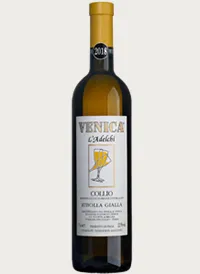
A Ribolla Gialla DOC Collio wine, from grapes picked and macerated for about 14 hours at 10–12 °C. 60% of the must ferments and ages on the lees for 5 months in large wooden casks, the rest in steel. Bottled at full moons between the end of March and May, L’Adelchi is pleasant and alluring, a great expression of a family-run estate known for its commitment to sustainability. A wine of great freshness, typical of the grape, and an almost briny savouriness with a light minerality.
Vinnae Jermann
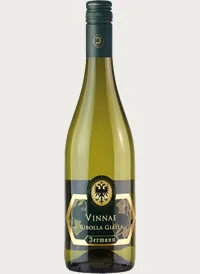
The Ribolla Gialla made by Jermann is a tribute to the fifth generation and to the Jermann family’s 100 years of work in the vineyard. Vinnae is a mineral, elegant wine that stays true to its rustic frankness. Fresh and dry on the palate, it stands out for its marked savouriness. One of the estate’s most representative wines, Vinnae is full-bodied and rich in acidity, a wine like few others from a family that has grown Ribolla Gialla since the 18th century. A real pleasure to sip, especially in the summer months.
Ribolla Gialla Zui
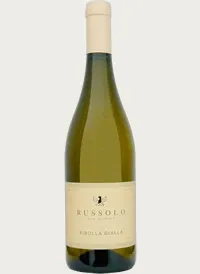
Fresh and light, Ribolla Gialla Russolo has good aromatic persistence and is pleasantly tannic. It comes from the Zui vineyard, which in recent years has stood out for its inimitable grace. The grapes are picked from flat land formed by the alluvial fan of the Cellina stream, a bed of calcareous-dolomitic alluvial sediments of fluvioglacial origin at the foot of the Dolomites. A wine with a dry taste and a floral, fragrant scent.
How to serve it? How to taste it?
Ribolla Gialla needs no special preparation to be enjoyed. First of all, the serving temperature, which varies with the type of Ribolla Gialla: in general, the more structured the wine, the higher the temperature should be; conversely, if the wine is young, a lower temperature is recommended. In any case, the serving temperature should be between 8 and 12 °C. Below are the glasses that best bring out its delicate aromas.
A tulip glass for young Ribolla Gialla
The wine is acidic but lively, with a delicate taste and a fruity aroma. It is young, but it evolves quickly: the encounter with this Ribolla is fleeting, intense and fascinating. The urge to hold on to its aromas is pressing.
The right glass has a narrow opening and bowl: it is the Sauvignon glass, better known as the Tulip. Ribolla Gialla’s aromas gather in the bowl of the Tulip, which is smaller than that of wide glasses; the narrow opening holds them in. In this setting the nose lives a memorable experience, as the fruity notes offer themselves in all their fragrance. The mouth too has its moment of bliss: the narrow opening directs the wine to the tip of the tongue, to the most receptive taste buds.
The serving temperature is between 8 and 10 degrees: the acidity is kept in check, and the youthful character and freshness of Ribolla Gialla are free to express themselves.
A little more belly for aged Ribolla Gialla
Ribolla Gialla changes quickly, carrying the senses from one dimension to another in a flash.
The doorway is the Rhine glass, with a wider, straighter bowl that narrows at the rim. Within it move more complex, structured aromas, free to reach all the taste buds and to fill the mouth for longer with a persistent, clean aftertaste. The nose picks up the importance of wilder, less mineral hints. It is a more complex, more mature Ribolla that leaves nothing to chance; everything contributes to the complete satisfaction of the senses.
The serving temperature rises: between 10 and 12 degrees the drier, sharper notes come forward and the sweet tones settle. Ribolla Gialla reveals its strongest qualities.
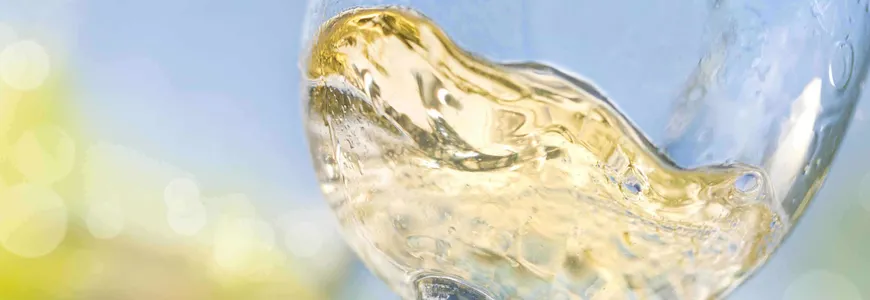
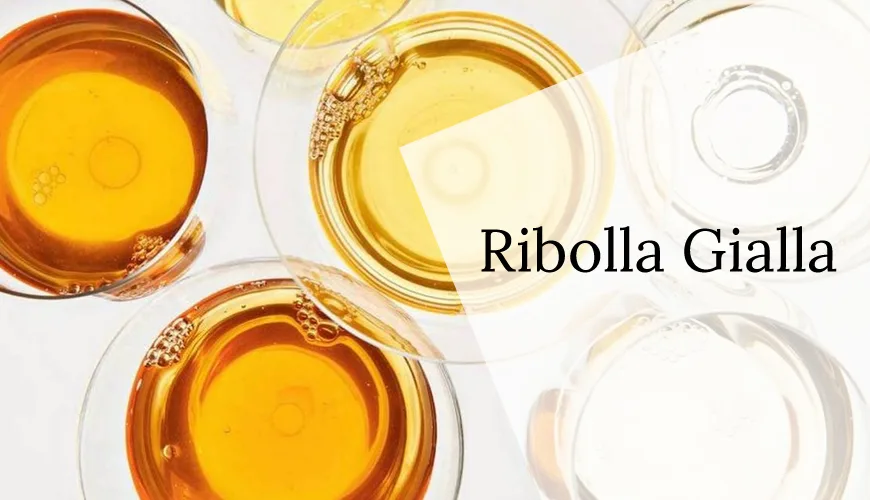
When tasting Ribolla Gialla wines, the eye notices a straw-yellow colour as bright as gold, sometimes softened by greenish highlights, sometimes leaning more towards orange. These wines immediately reveal their considerable structure, even when young. In the sparkling version they show a fine, persistent perlage.
The bouquet of Ribolla Gialla intrigues the nose with its broad floral notes: white peach, apple and pear are the most common scents, often accompanied by citrus hints and an herbaceous, mineral background. Sometimes, in Ribolla wines aged in wood, hints of tobacco and leather also come through.
On the palate, Ribolla Gialla reveals its extraordinary body and perfect balance, noticeable in the simpler versions together with a freshness and suppleness that make it easy to drink; in the more structured versions each sip becomes more substantial and rich in complex sensations. Sparkling Ribolla Gialla refreshes with its crisp minerality. Ribolla Gialla usually settles on the palate with a good, slightly bitter persistence, for a medium-long, fresh and savoury finish.
Ribolla Gialla at the table: food pairings
At the table, too, each type of wine has its preferences. Young Ribolla Gialla is perfect for aperitifs or fish starters, to go with a delicious fritto or a fresh carpaccio; it also goes well with risotto. The more structured Ribolla Gialla wines prefer flavourful dishes such as pasta with meat sauce, spiced fish broths and legume soups; they also suit white meat dishes. Sparkling Ribolla Gialla is best for aperitifs, including with cured meats, and as a wine to enjoy throughout the meal.
In general, Ribolla Gialla is a very versatile wine that can be paired both with traditional dishes and with food such as sushi, rice noodles or sweet and sour pork. Creativity and original taste play the biggest part in knowing which Ribolla Gialla to bring to the table.
How to choose the best Ribolla Gialla?
As we have seen, there are as many kinds of Ribolla as there are production areas and methods that producers apply and experiment with on the grape. Naturally, the wines of Friuli are the most prized, because they come from recognised appellations where experience in growing native grapes offers the assurance needed to make the right choice.
The best wineries are those of Friuli, offering prestigious wines that are the fruit of years of work and experimentation with the grapes.
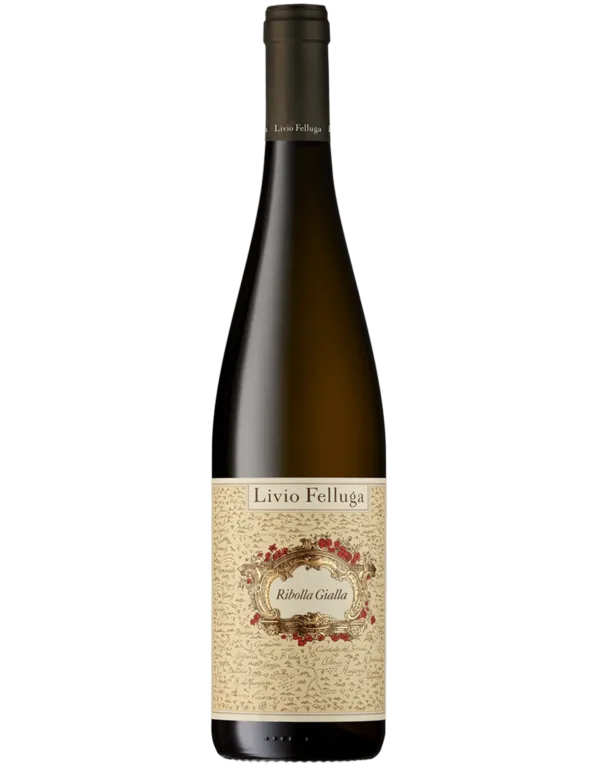
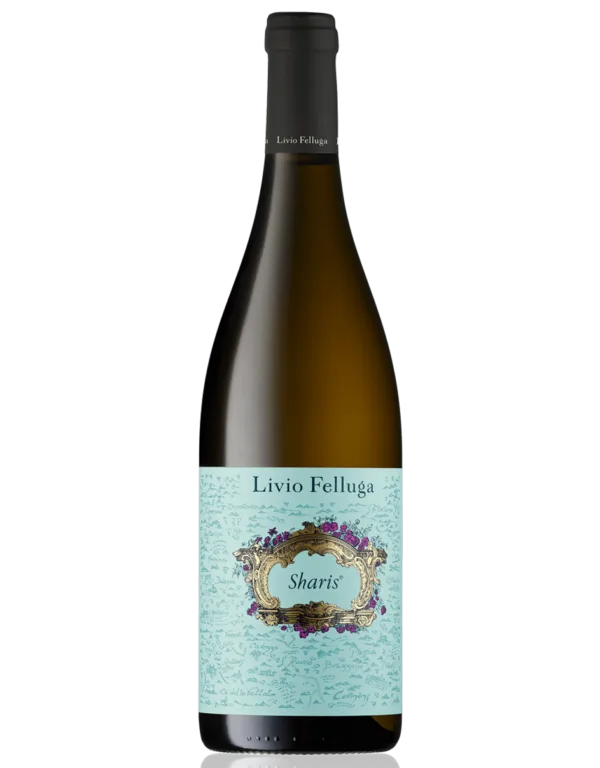
Livio Felluga is an undisputed leading figure on the Friulian wine scene. His wines are the result of a long winemaking process that begins with destemming and a short maceration of the grapes, continues with settling and temperature-controlled fermentation, and ends with six months’ ageing in steel. This is how Ribolla Gialla Livio Felluga acquires its exceptional fragrance and freshness.
Ribolla Gialla Gravner is the result of a particular production process carried out in full harmony with nature, starting with tending the vines according to the phases of the moon. Maturation in buried Georgian amphorae and six years’ ageing in oak casks give Gravner’s wine its extraordinary organoleptic qualities: a fruity wine that goes beautifully with the finest Friulian recipes.
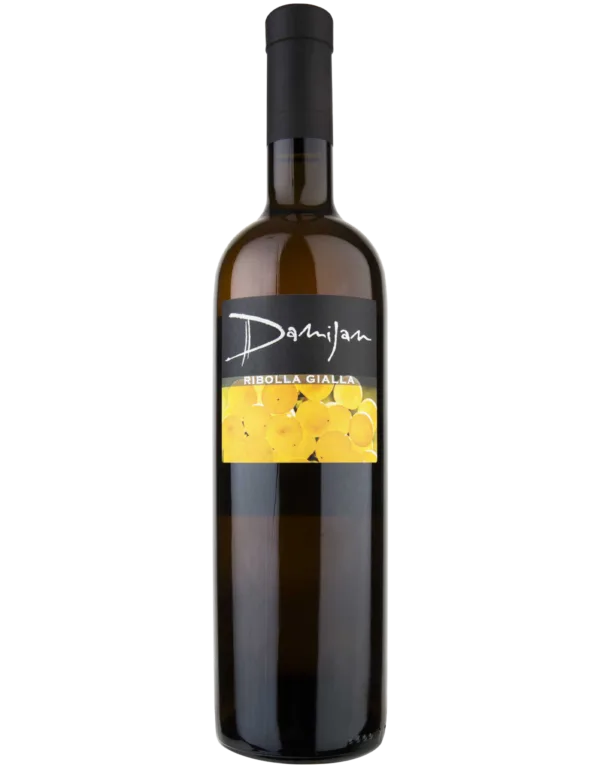
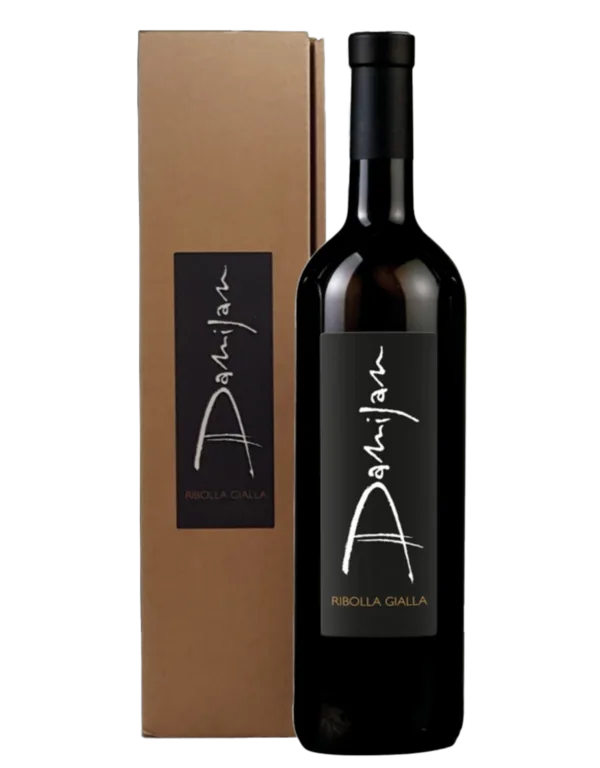
Under the guidance of Josko Gravner, Damijan Podversic has also become an expert winegrower and a key figure in the renewal of viticulture in the Collio. Ribolla Gialla Damijan Podversic is the fruit of a maceration of grapes ripened following the influence of the moon and the constellations. A fruity wine from biodynamic farming, vinified in small wooden casks without added yeasts. Its decisive aromas make it the perfect wine for elaborate fish dishes.
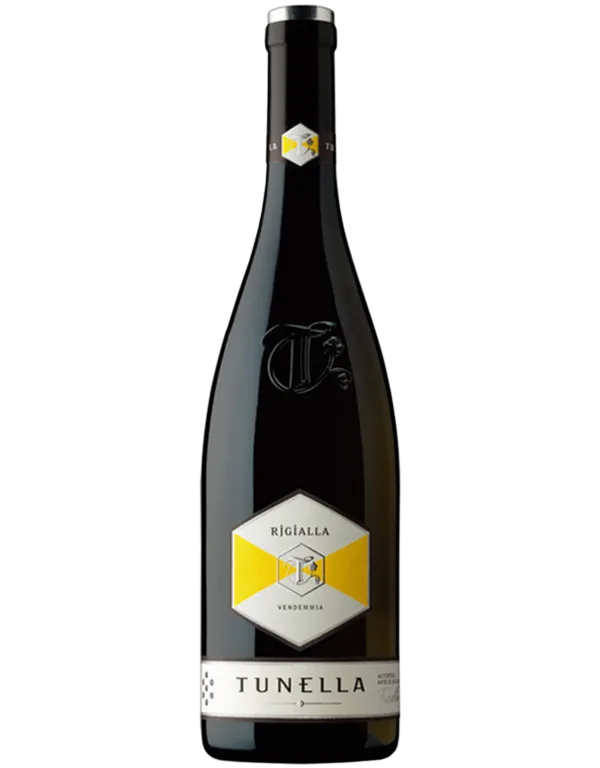
From Ribolla Gialla grapes alone, worked with meticulous care, also comes the fruity white wine Rjgialla La Tunella, especially rich in aromatic notes that go well with many delicate dishes. The Friulian winery’s savoir-faire comes through in an intense, fragrant wine.
With the ambition of standing alongside the great wines of the area, Ribolla Gialla Tenuta Mosole is the result of a path devoted to quality viticulture. A wine of good complexity, with floral, fruity and citrus fragrances that unfold on the palate in delicate harmony and perfect acidity. Excellent as an aperitif, it tastefully enhances all fish starters.
Ribolla Gialla and price
Given the wide range of Ribolla Gialla wines, market prices vary, depending above all on the production methods each producer uses. That said, there are excellent bottles of Ribolla Gialla on the market at prices of a few tens of euros, rising with the complexity and distinctiveness of the wine, qualities that call for a more skilled production method.