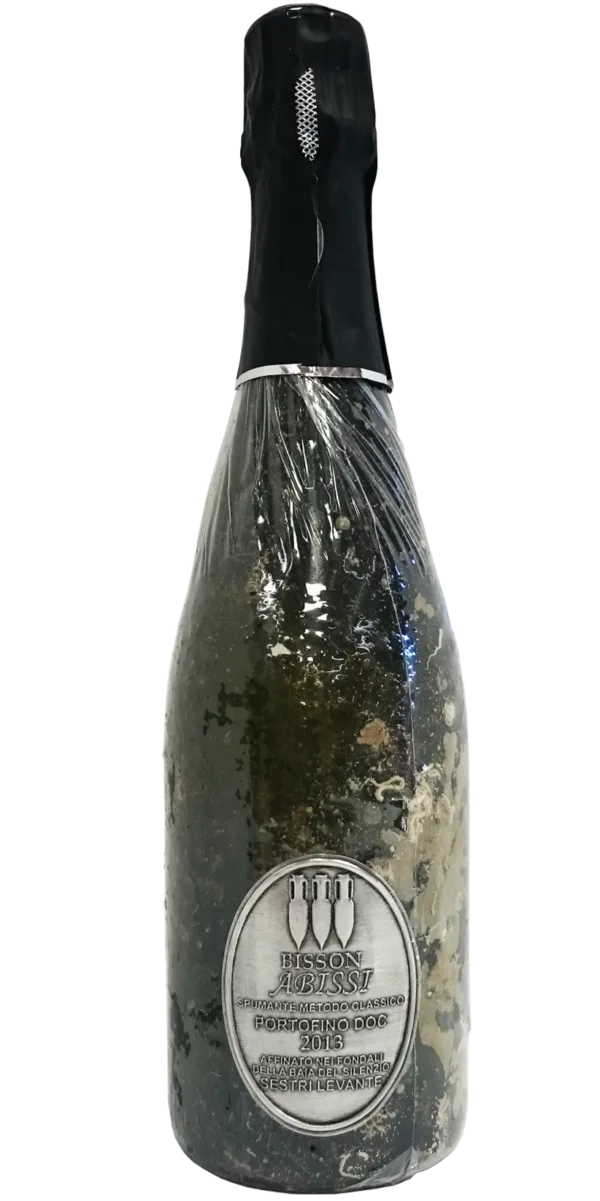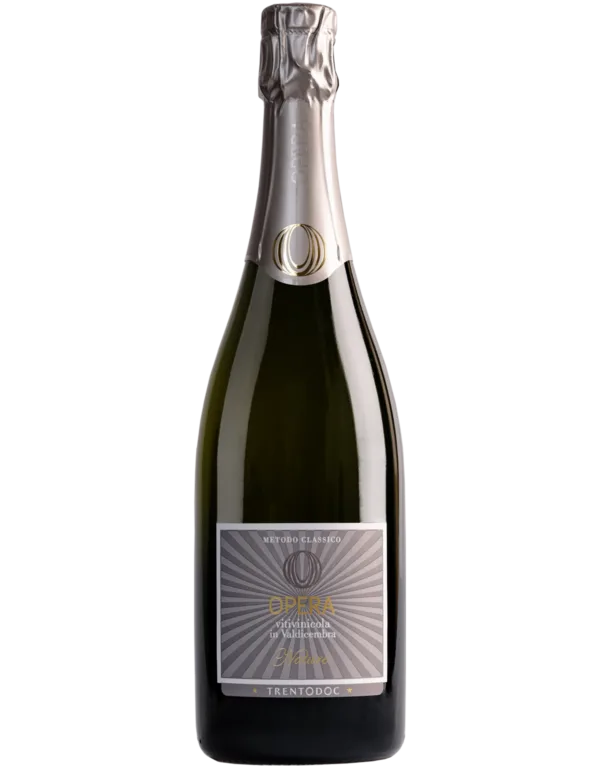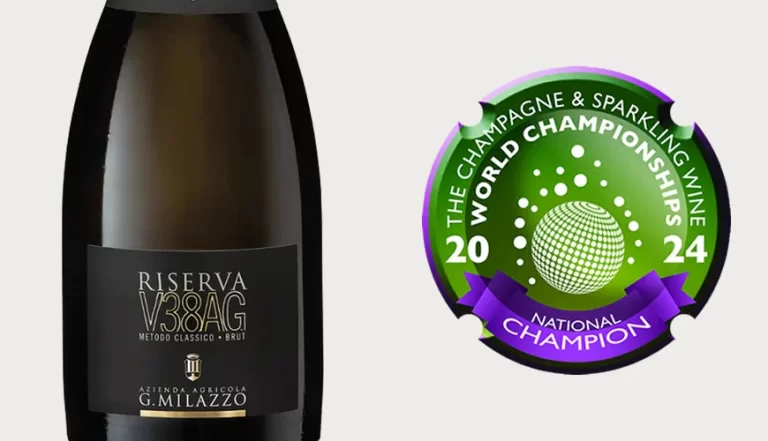

Long a source of pride for Italy, sparkling wine is today one of the country’s best-selling and most exported products worldwide. Our customers confirm this trend too, with ever more favourable feedback on sparkling wines; that is why our selection of sparkling wines keeps focusing on quality choices and exclusive wines, both popular and niche. But before we get to the names, let’s find out more about this type of wine, which has now become part of everyday life.
Sparkling wine: two methods compared
According to EC Regulation 479/08, sparkling wine is “the product obtained by first or second alcoholic fermentation of fresh grapes, of grape must or of wine, which, when the container is opened, releases carbon dioxide derived exclusively from fermentation and which, when kept at a temperature of 20 °C in closed containers, has an overpressure of not less than 3.5 bar due to carbon dioxide in solution”.
In other words, sparkling wine is simply a category of finished white wines that undergo a sparkling stage, known as “prise de mousse”, during a second fermentation in which the added sucrose turns into ethyl alcohol and carbon dioxide, producing the typical bubbles. Italian law pays particular attention to sparkling wines, which fall into two large families depending on the production method used. Specifically, these are the Metodo Classico and the Charmat-Martinotti method.
Metodo Classico sparkling wine
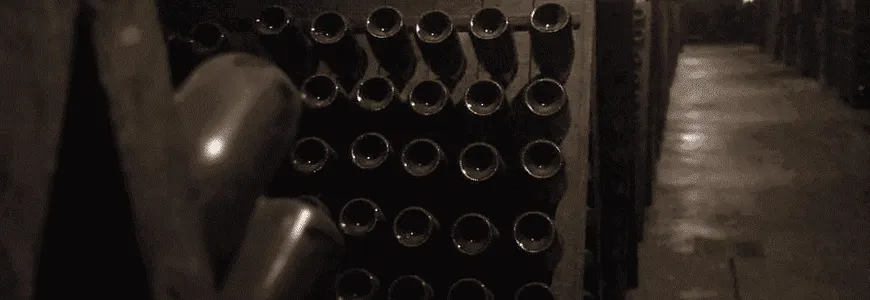
The Metodo Classico, also known as the méthode champenoise, is a sparkling winemaking process dating back to the early 1800s and refined to this day, in which the wine undergoes a second fermentation directly in the bottle.
The base of sparkling wines is usually a cuvée, a blend of wines from different vintages and types; however, the cuvée can also be made from grapes of the same harvest. In this case we speak of a vintage sparkling wine (Millesimato), particularly prized and recognisable by the vintage stated on the label.
With the addition of the liqueur de tirage, a mix of wine, cane sugar, minerals and yeasts, the cuvée begins its second fermentation in the bottle. This starts the maturation stage which, depending on the type of sparkling wine, can last several months or even years.
After the prise de mousse, the yeasts, which have turned the sugar into carbon dioxide, ethyl alcohol and other substances, undergo autolysis, during which the sparkling wine is enriched with noble substances that give it its characteristic aromas and make it more harmonious. To achieve the best result, the bottles then go through riddling (remuage). Each bottle is shaken, rotated and gradually brought upright, neck down, so that the fermentation residues settle in the neck, leaving the sparkling wine perfectly clear. Once the bottle is upright, the neck is dipped into a very cold, salt-saturated solution, which forms a plug of ice that is removed during disgorgement, taking with it the compacted lees (yeast residues).
Next comes the dosage stage, in which the sparkling wine, now free of sugars (less than 0.5 g/l), receives the liqueur d’expédition, a mix of wine, cane sugar and a few drops of spirit, which not only replaces the wine lost during disgorgement but also gives the product its specific imprint.
The Metodo Classico creates the wine’s perlage, the famous fine and persistent bubbles that give the sparkling wine a fresh, slightly tangy and balanced taste.
Charmat-Martinotti method sparkling wine
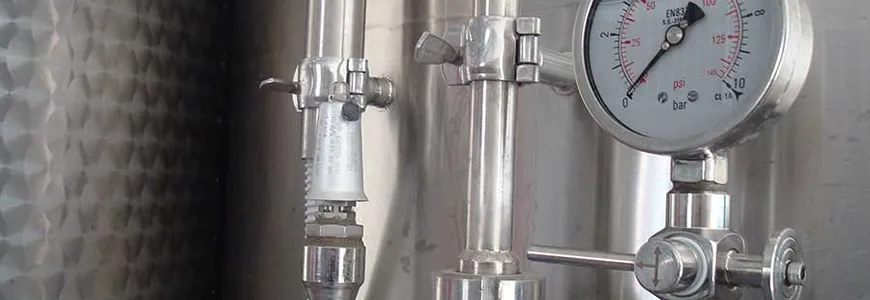
The Charmat-Martinotti method, first developed by the Piedmontese inventor in 1985 and later perfected by the Frenchman in 1910, involves a second fermentation of the wine inside a pressurised autoclave, that is, large sealed tanks at a controlled temperature, reducing the time and cost of producing sparkling wine.
All the initial stages are identical to those of the Metodo Classico, except that the subsequent sparkling stages take place under isobaric conditions, that is, under pressure, to prevent carbon dioxide from escaping. Specifically, in the Charmat-Martinotti method, yeasts and cane sugar are added directly inside the autoclave.
Then, once the sugars have fermented, the sparkling wine is clarified, filtered and bottled, following one of the two processes that characterise this method: the short Charmat involves a very quick fermentation, usually around 20-30 days, which produces rather large bubbles, while the long Charmat involves a longer fermentation period, around 9-15 months, to which the liqueur d’expédition is added, giving the product a more pronounced aroma and a finer perlage.
Being simple and quick, the Charmat-Martinotti method produces light, fresh sparkling wines known for their versatility and remarkable fruity aromas, the hallmark of Italian prosecco.
The difference between spumante and prosecco
Spumante and Prosecco are often used as synonyms, but this is not actually correct. The confusion between the two terms is mainly due to the national and global success of the sparkling version of prosecco, one of the most popular and sought-after Italian wines in the world, so much so that when people mention prosecco they immediately think of sparkling wine. This, however, is an improper use of the term.
It is important to clear this up.
Spumante, as we have seen, is a winemaking method: it can be produced in any area, from any grape variety, and has two types of production, the Metodo Classico and the Charmat-Martinotti method.
Prosecco, on the other hand, is a DOC or DOCG white wine governed by production rules that define the permitted grape, the production areas, the viticulture and winemaking standards and the labelling. It can only be produced in certain areas of Veneto and Friuli Venezia Giulia, and only from the Glera grape and the Verdiso, Pinot Bianco, Pinot Grigio and Pinot Nero varieties. Prosecco is made exclusively with the Charmat-Martinotti method and is not always a sparkling wine.
There are, in fact, some specific varieties of prosecco that set it apart from spumante, such as Prosecco Frizzante, which undergoes a short refermentation in the bottle in spring so that it can be enjoyed in the summer and autumn months, and Prosecco Tranquillo, a delicate, niche still white wine with no bubbles at all and fruity aromas.
In conclusion, spumante and prosecco are by no means synonyms; they are two terms that mean different things and can only be linked in certain specific cases. There is, however, no difference in the styles of the two products, as both are determined by the level of sugar they contain.
Types of sparkling wine
As well as by sparkling method, it is useful to classify sparkling wines by their residual sugar content. Depending on the sugar present, sparkling wines are labelled as follows:
- Pas dosé: wines to which no sugar is added at the dosage stage;
- Brut nature: sugar content below 3 g/l;
- Extra brut: sugar content below 6 g/l;
- Brut: sugar content below 12 g/l;
- Extra dry: sugar content between 12 and 20 g/l;
- Dry or Secco: sugar content between 20 and 35 g/l;
- Demi sec or Abboccato: sugar content between 35 and 50 g/l;
- Dolce or Doux: sugar content above 50 g/l.
Differences between Brut and sweet sparkling wine
As we said in the previous paragraphs, not all sparkling wines are the same. Besides the production method, one of the main classifications is undoubtedly based on the residual sugar in sparkling wines.
Because of this, we often wonder which is the right pairing to bring to the table, and in most cases we are guided more by instinct and personal taste than by the “rule”. And so we end up pairing a brut sparkling wine with desserts at the end of the meal, creating a rather unpleasant contrast on the palate.
First of all, we need to consider the principle of similarity, according to which simple, delicately prepared foods should be accompanied by sparkling wines with the same qualities, while more structured foods with complex aromas should be paired with wines of the same character. Then there is the principle of contrast, whose ultimate aim is to find perfect harmony between food and wine with different but complementary characteristics.
So what is the best pairing?
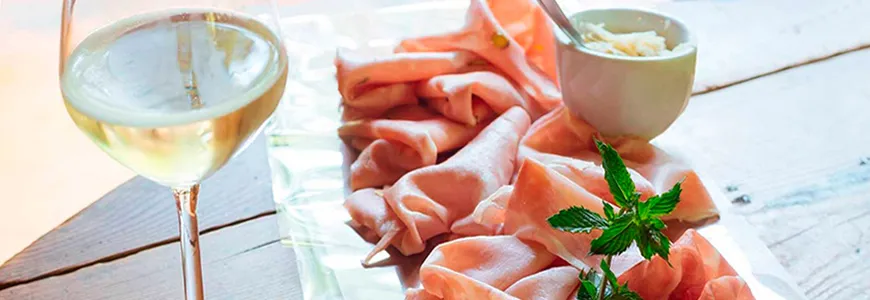
Brut sparkling wines, with less than 12 g of sugar per litre, are considered “raw” or “unrefined” precisely because of their low sweetness, which is why they are perfect with an aperitif. Their dry taste goes well with starters, risottos, white meat and fish, as well as fresh, soft or medium-aged cheeses. The cleansing power of the bubbles also makes them suited to many kinds of dishes. Oily, fatty and especially fried foods can be accompanied by a Brut sparkling wine, whose freshness and ability to cleanse the palate make it a perfect match for these dishes.
One example is the Ca’ del Bosco Brut sparkling wine, which pairs beautifully with fish or white meat dishes.
Sweet sparkling wines, with more than 50 g of residual sugar per litre, emphasise sweetness, which becomes dominant over the other taste sensations; this is why this type of sparkling wine is recommended with desserts. The sweetness of both the sparkling wine and the dessert lets each express itself at its best, creating perfect harmony of taste and aroma. These sparkling wines can be paired with petits fours and leavened cakes, whereas Demi Sec sparkling wines can accompany fruit tarts and less sweet desserts.
Italian sparkling wines and production areas
Italy has now overtaken France in sparkling wine production and, while its success is often linked above all to Charmat method wines, the country also boasts a long history of Metodo Classico production. Three types of sparkling wine stand out in particular, tied to different territories and production areas: Franciacorta, Trento DOC and Valdobbiadene.
Franciacorta and its wineries
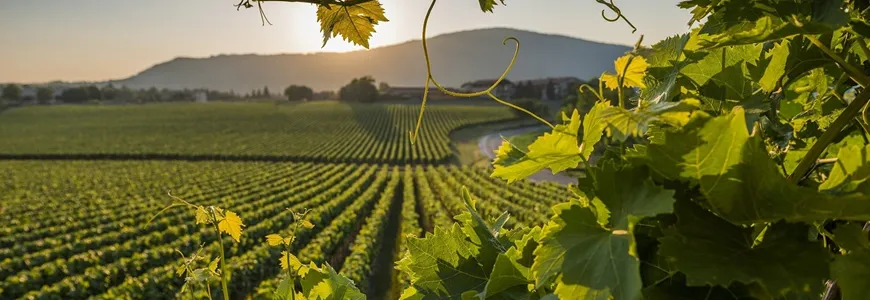
Franciacorta, on the far northern edge of the Po Valley, lies in the heart of Lombardy, a stone’s throw from Milan, overlooking the shores of Lake Iseo, in an area covering 19 municipalities in the province of Brescia. Although it has a continental climate, its proximity to the lake gives Franciacorta a moderating effect on temperatures in both summer and winter.
The moraine origin of the area gives the soils an unrivalled mineral richness that is the hallmark of quality viticulture with unique sensory characteristics. A wine-producing area since the 16th century, Franciacorta has seen a winemaking revival over the years. From the 1950s, and above all in 1967, there was renewed faith in the potential of the territory, leading to the recognition of the Franciacorta appellation. In 1983 hectares and sales doubled exponentially, and in the following years the voluntary Consortium was founded, marking the start of the contemporary era of Franciacorta and of Franciacorta DOCG.
Now a flagship for fine wines in Italy and abroad, the Franciacorta wineries boast the great mineral richness of their soils and a microclimate and altitudes with wide temperature swings. This is where Italy’s finest sparkling wine production is concentrated, thanks also to the use of the Metodo Classico.
Franciacorta wines are among the best sparkling wines in Italy and, by law, cannot be labelled with the generic term spumante, only with the name Franciacorta. Available in a wide and complete range of styles with different levels of sweetness, they can accompany an entire meal.
Standing out among the Franciacorta wineries is Ca’ del Bosco, born from the dream of a fifteen-year-old boy, Maurizio Zanella, who created one of the most modern and advanced wineries in Italy. Described as a personal, utopian and perhaps crazy idea of Franciacorta, the Ca’ del Bosco Method has no rivals. Innovative, focused, sustainable and above all dedicated to preserving the original grapes, the Lombard winery has been able to capture and enhance its territory at its best. By putting nature first and blending it with art and culture, it creates a magical effect that touches people’s souls and senses.
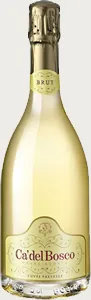
Every Ca’ del Bosco sparkling wine brings out the flavours and aromas typical of that part of Italy, so much so that it is recognised and appreciated throughout the country and beyond. Among the bottles that best showcase the quality and sensory properties of these sparkling wines, we recommend Cuvée Prestige. A balanced, delicate Franciacorta full of fruity notes, this sparkling wine is made from Chardonnay, Pinot Bianco and Pinot Nero grapes. With its distinctive bright straw-yellow colour, it gives the palate a pleasant, delicate taste of exotic fruit.
Trento DOC and its wineries
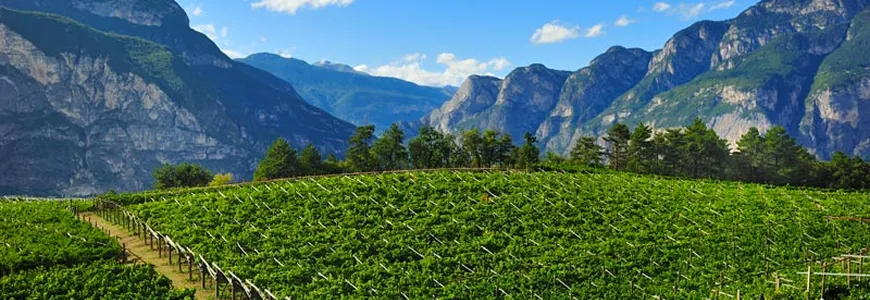
These renowned mountain sparkling wines boast tradition, culture, gastronomy and territory. With its 10,000 hectares, Trentino produces around 9 million bottles of Trentodoc. Many ingredients make this sparkling wine so prized. From the territory to the climate, many characteristics set Trentodoc wines apart.
Altitude and the mountains are an important resource. The cold air from the Dolomites and the mild temperatures of Lake Garda, combined with the temperature swings typical of the area, give Trentodoc grapes elegance, freshness and harmonious complexity. In addition, the soil, rich in limestone and with a high silica content, lends particular and distinctive nuances of flavour.
Trento DOC sparkling wines are made with the Metodo Classico in the province of Trento and stand out for a fermentation of at least 36 months. The vineyards lie at altitudes between 200 and 800 metres.
Trentodoc owes its long tradition to the strict and demanding rules applied by the various sparkling wine houses: from grape yields to long ageing on the yeasts, which give excellent quality to every single bottle, all D.O.C. certified.
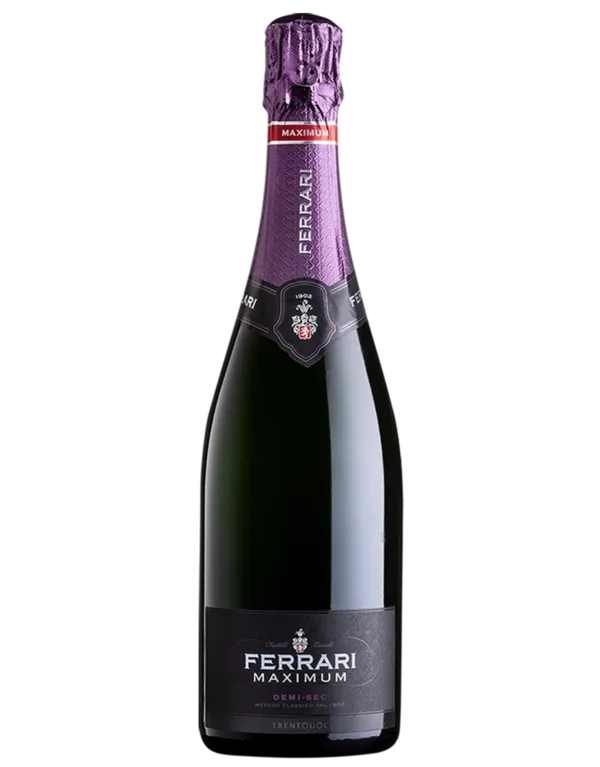
Undoubtedly, among the producers that best represent this type of sparkling wine is Ferrari. Founded in 1902 by Giulio Ferrari, it is the leading Metodo Classico winery, which over the years has become the international symbol of Italian sparkling wine. Since 1952, under the meticulous care of the Lunelli family, passion and respect for the Trentino territory have made Ferrari wines a symbol of the Italian Art of Living, accompanying important moments in the worlds of sport, culture and the arts.
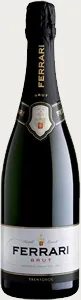
Awarded all over the world for their unique sensory characteristics, Ferrari bottles have become an everyday cult, so much so that the winery has decided to make some of its bottles customisable and one of a kind. With the personalized Ferrari Brut you can make an unforgettable moment special. You can choose from different formats, all available with the exclusive wooden case, and personalize your bottle with a message on the label: Ferrari thus becomes a unique and priceless gift.
Valdobbiadene and its wineries
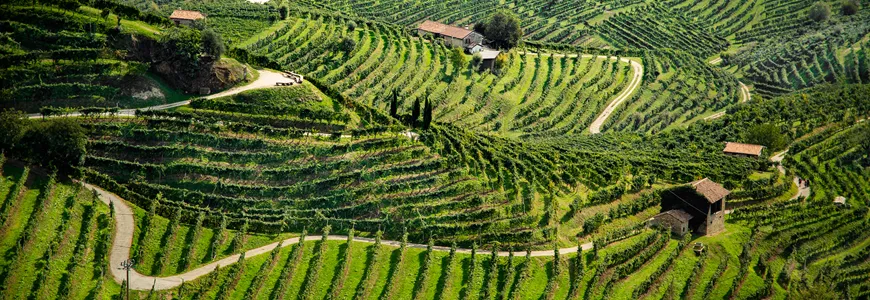
Widespread since ancient times, viticulture in Conegliano Valdobbiadene boasts a history that is hard to match. From the 1930s the boundaries of the Conegliano Valdobbiadene DOCG production area were drawn, and in 1969 Controlled Designation of Origin status was officially granted to the Prosecco produced in the 15 municipalities between Conegliano and Valdobbiadene that make up the diversity and richness of the territory. The vineyards yield grapes that produce sparkling wines with gentle fruity notes, thanks also to the Charmat-Martinotti method, in which the sparkling wine ferments in sealed, autoclave-type tanks.
Gathered in a small area between Venice and the Dolomites, the Conegliano Valdobbiadene hills have been recognised as a UNESCO World Heritage Site, thanks above all to the work of the winegrowers who have created and enhanced a unique landscape. From the hogbacks, a particular geomorphological formation made up of steep, rugged ridges, to the ciglioni, a special kind of terracing that uses grassed earth instead of stone: these are the distinctive features of these unique places, which give their wines their sensory qualities.
Famous worldwide as the king of the aperitif, Valdobbiadene prosecco embodies a typically Italian style, with freshness as its strength. Thanks to its varying sugar levels, it can be enjoyed throughout the meal, especially in the Brut version.
The bubbles in sparkling wine
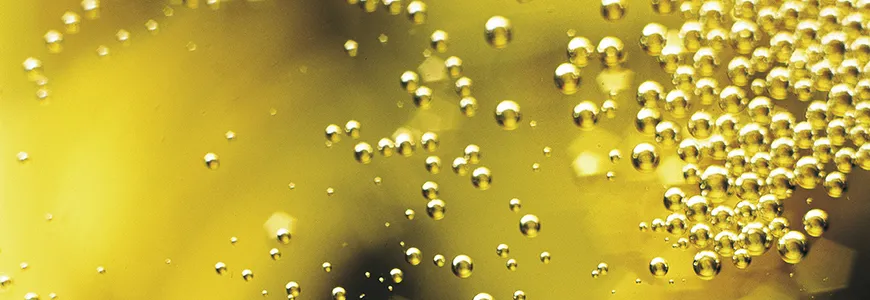
This distinctive feature of sparkling wine not only intrigues the eye of the beholder, but also brings a touch of liveliness and exuberant energy to the palate.
The bubbles in sparkling wine, as we have said, form thanks to the presence of carbon dioxide, produced by the action of the yeasts during the second fermentation. Behind the formation of these famous bubbles is Henry’s Law, which states that during fermentation in the bottle a perfect balance is created between the carbon dioxide molecules and the existing gas pressure. This condition stays unchanged until the bottle is opened and the perfect balance is broken. Because of the sudden drop in gas pressure, the liquid is loaded with carbon dioxide molecules which, in order to escape, rise upwards in the classic shape of bubbles.
Once the sparkling wine has been poured, a chain of tiny bubbles begins to make its way up to the surface. This string of carbon dioxide bubbles is commonly known by the French term perlage, which literally means “string of pearls”.
Now part of the global wine vocabulary, the term perlage is increasingly used by experts to refer to a wine’s effervescence and to give a first assessment of a sparkling wine’s quality. If the bubbles are numerous, fine, persistent and quick to rise, the quality of the sparkling wine will be high; if, on the other hand, the bubbles are few, coarse and slow, the quality will be lower. Of course, this first visual examination, which only an expert eye such as a sommelier’s can make, can be influenced by many factors, such as the way the wine is poured and the shape of the glass.
The sparkling wine glass: tasting tips
People commonly think that all glasses are the same and that it makes no difference which one you use for the drink you are about to taste. In reality this is not the case, as the glass is the most important tasting tool and its shape must suit the characteristics of the wine you are about to enjoy.
There are different ways of tasting sparkling wines, and for each it is important to use the right glass.
The flute, with its characteristic elongated shape, is suited to light sparkling wines and lets you enjoy and appreciate the perlage, and so assess it.
The coupe, traditionally used for sparkling wines, is best suited, thanks to its wide opening, to sparkling wines with pronounced aromas. In particular, it helps disperse and temper the sweetness of the residual sugar in sweeter sparkling wines.
The half flute, on the other hand, is mainly used for dry sparkling wines, as they are simpler and more immediate.