An icon of elegance, luxury and prestige, the expression of a region steeped in charm and history: champagne, the French sparkling wine, enjoys the title of “king of wines”, marked by an authoritative identity that nothing can dent.
The idea that a bottle of champagne is for a select few is still common, because of its character and its price, which is generally higher than that of Italian sparkling wines. The price of champagne is often also shaped by factors that go beyond the product and the supply chain, such as the image and communicative power entrusted to the bottle, which has to convey the value of what it holds at first glance.
And although the prevailing view is that champagne is elitist, today’s landscape shows that this is not entirely true, at least in terms of affordability. The exclusive imprint of a land and of a know-how like few others remains, but the answers offered to consumers are changing: the average price of a champagne is certainly not €10, but there are many different offerings from France that can delight different palates, those of great devotees as well as those of less experienced drinkers who are keen to experiment without going overboard.
You do not need to reach for extremely expensive champagnes to treat your senses; several maisons make truly interesting bottles: we will look at some of them, favouring our customers’ most popular choices together with our own suggestions.
First of all, though, here is a brief overview of champagne, from the territory to the methods and grapes used to make it.
Champagne, the region
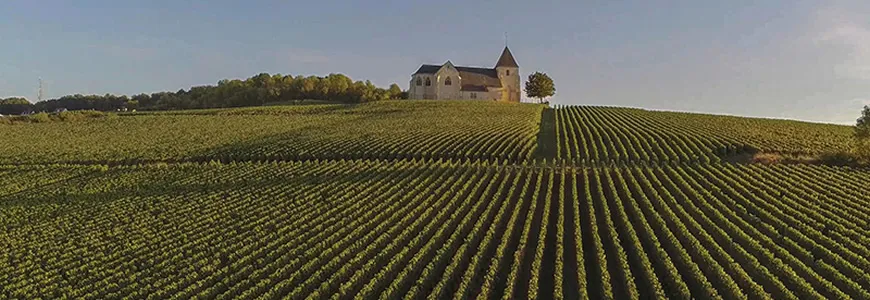
Exceptional for its climate, geology and geography, wonderful for its landscapes and atmosphere, fascinating for its art and history: Champagne is the homeland of the king of wines, full of hills, buildings and UNESCO-listed cellars.
In such a marvellous setting, Reims stands out with its Cathedral, the emblem of French royalty, together with Troyes, the historic capital of Champagne. And in Reims what lies hidden in the underground cathedrals is astonishing: a network of cellars and tunnels holding millions of bottles of champagne ageing below ground.
In Champagne history is preserved and blends with an equally marvellous landscape of gentle hills, home to the vineyards of Chardonnay, Pinot Noir and Pinot Meunier, which belong to the vignerons and in part to the maisons.
Independent growers farm most of the grapes in Champagne, while the maisons farm a smaller share; in most cases, in fact, it is the vignerons who sell their grapes to the maisons. There are also many growers, that is, small family-run estates, who make their own wine independently, just as there are less standardised maisons that use artisanal methods for making champagne, comparable to those of the vignerons.
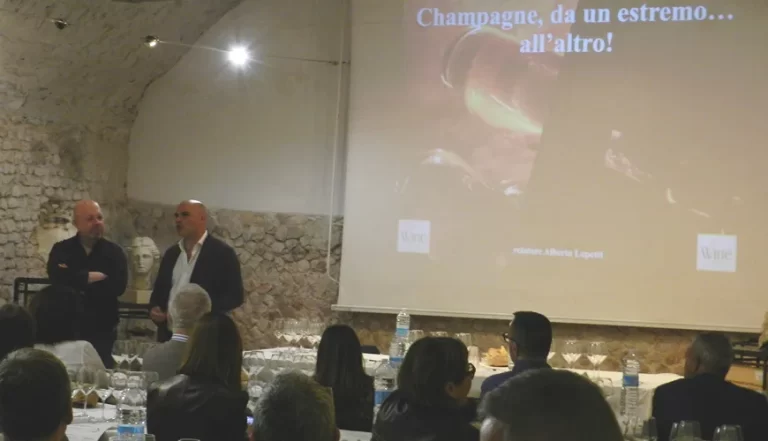
But telling the story of Champagne in all its forms and customs would take a whole manuscript; we refer you to La mia Champagne, a book by Alberto Lupetti, the most authoritative Italian voice on the subject.
Champagne grapes and the Crus
Champagnes are made mainly from three grapes, two of them black. There is Pinot Noir, the dominant variety of the Montagne de Reims and the Côte des Bar, Pinot Meunier, from the Vallée de la Marne, and Chardonnay, the favoured variety of the Côte des Blancs.
Pinot Noir grapes give wines red-fruit aromas and an assertive character; Pinot Meunier produces supple, fruity wines, fairly round; Chardonnay, finally, stands out for its delicate, floral aromas and for its slow evolution, which makes the wine suited to ageing. The three most widely used grapes for champagne are those best suited to the nature of the terroir; a few other white grapes can also be found in very small percentages.
The vineyards and territories of Champagne also make it possible to classify these sparkling wines into three categories: Premier Cru, Grand Cru and Cru. Each village holds a rating for the quality of its grapes: the best, the Premier Crus and Grand Crus, are found mainly in the Marne department. Even so, it is not unusual to find great champagnes in areas that are less famous for their prestige.
Indeed, the imprint of every bottle of champagne also comes from technique and production skill, honed over centuries of history, which have made the French sparkling wine a true icon of style and refinement.
Types of champagne
Champagne is born from the blending of the so-called Cuvée, the mix obtained from the base wines produced after the harvest and then kept separately, at the disposal of the Chef de cave.
A first distinction between types of champagne can be made on the basis of these very wines: if they are different and from different years, we speak of Sans Année champagne, that is, non-vintage; when instead the wines are different but all from the same year, we speak of Millésime or Vintage champagne.
A further classification depends on the grapes used in the blend. Most champagnes are made from Chardonnay, Pinot Noir and Pinot Meunier, in a Trois Cépages blend, and are generally entry-level bruts; more delicate are the Blanc de Blancs, champagnes made from Chardonnay alone; and finally the Blanc de Noirs, drier and more assertive, are a blend of Pinot Noir and Pinot Meunier.
As for rosés, their colour comes from adding small amounts of red wine to the Cuvée or from a colour-extraction technique called Saignée.
The best champagnes: the record-holding brands
If it is hard to say which wines are the very best, with champagne it becomes a utopia. There are certainly several champagne brands that earn that label not only thanks to the objective quality of the wine; consumer choices, price and other factors tied to a house’s communication and marketing also give a champagne a certain value. The quality of the product, of course, remains a given.
Among big names and lesser-known brands, here are some champagne bottles and maisons that, in our customers’ opinion and then ours, deserve praise:
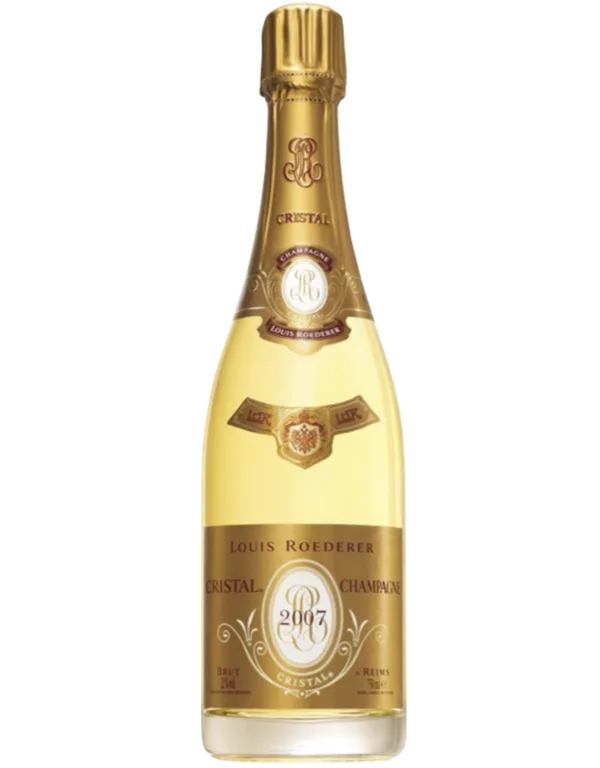
- Cristal, Louis Roederer’s iconic champagne
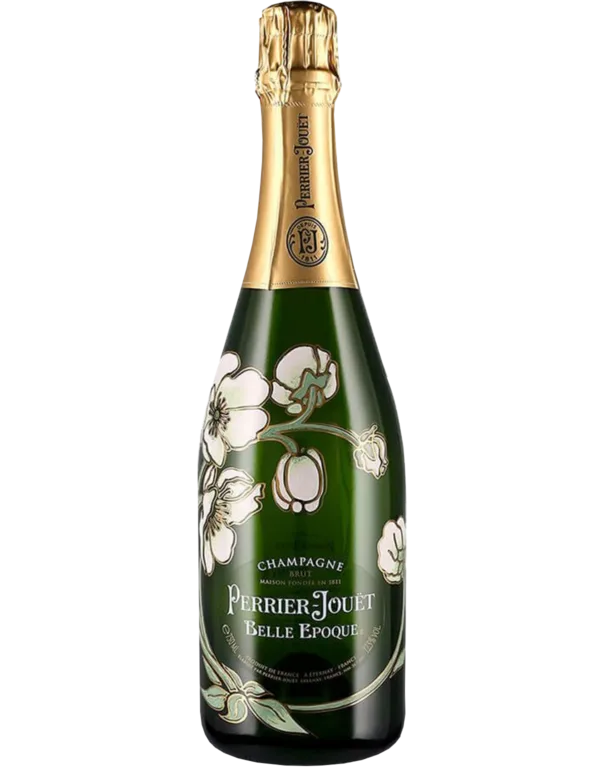
- Belle Epoque, the Art Nouveau champagne
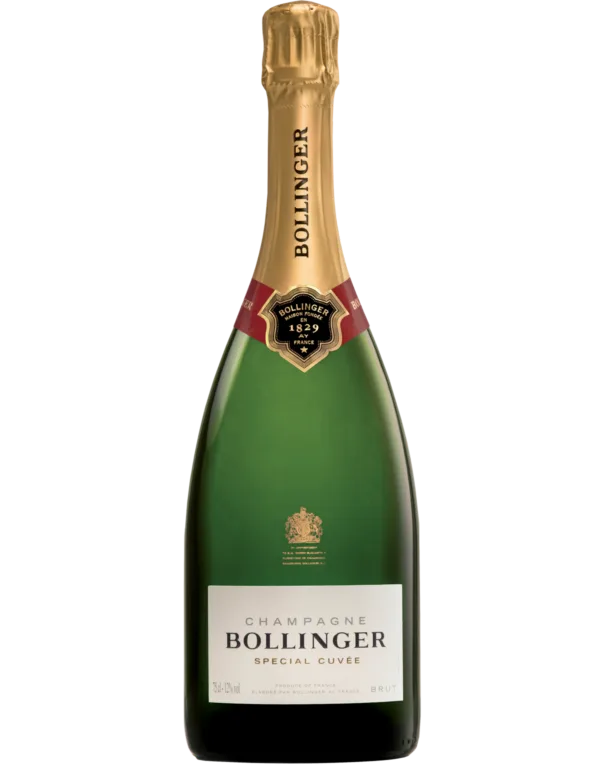
- Bollinger champagne and Special Cuvée
- Piper Heidsieck, from the Queen of France to B Corp certification
- Philippe Gilbert: champagne, sport and art together
- Encry, bold champagnes with an Italian touch
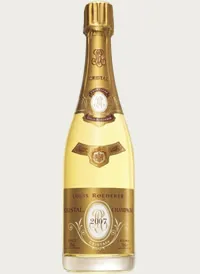
Cristal, Louis Roederer’s iconic champagne
Created in 1876 for Tsar Alexander II, Cristal is Louis Roederer’s most famous champagne, as well as one of the most famous in the world. Its name comes from the flat-bottomed crystal bottle created specifically to show off the champagne.
Released commercially for the first time in 1945, Louis Roederer’s Cristal immediately took its place among the highest-ranking champagnes. It is certainly not one of the cheapest champagnes, but it remains in great demand among consumers, one of those you simply have to try at least once in your life.
Every bottle today is the result of a limited production: Cristal is made only in great vintages, when Chardonnay and Pinot Noir reach perfect ripeness; it then ages in the cellar for six years, and for eight months after disgorgement.
It is a champagne of remarkable balance, light, lively and structured, hard to compare with any other. In the mouth it is fresh and mineral, with a unique persistence; on the nose it reveals many scents, from hints of cocoa and vanilla to an aftertaste of toasted hazelnut, cinnamon and liquorice. Even when kept for more than twenty years, Cristal champagne will retain its freshness and exclusive character.
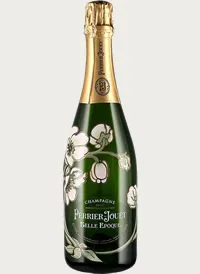
Belle Epoque, the Art Nouveau champagne
A standout bottle in the exclusive champagne collection of Perrier-Jouët, a maison that has always embraced elegance and refinement, which it also achieves with the help of art: the labels on its bottles are inspired by the designs of the Art Nouveau master Émile Gallé.
Belle Epoque champagne is a blend of 50% Chardonnay, 45% Pinot Noir and the remaining 5% Pinot Meunier, grapes that come from the most renowned crus of Champagne. It is aged for at least 6 years on the lees.
With Belle Epoque champagne we can be sure of enjoying a magical combination of style and elegance, the same that the Perrier-Jouët maison has preserved for centuries.
Its perlage is golden and refined, and its range of scents is rich and distinctive; on the nose, floral hints and exotic white fruit such as pear, pineapple, strawberry and ginger stand out. To its perfect balance in the mouth it adds good minerality.
Certainly among the most refined champagnes, Belle Epoque perfectly wraps up the legend of French elegance.
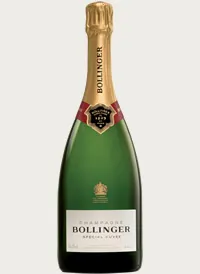
Bollinger champagne and Special Cuvée
With two centuries of history behind it, Bollinger is among the best-known maisons in the world. There is more than one champagne in the Bollinger collection that deserves attention, but the most important is its Special Cuvée, a wine that has evolved over the years while staying true to its nature. The first release of Special Cuvée dates back more than a century, years and years in which this brut has been able to prove its worth, growing in fame and prestige.
The grapes come from the most prestigious crus; Chardonnay gives Special Cuvée a fine, elegant perlage, while Pinot Noir and Meunier give it complexity, freshness and lightness. The blend combines freshly harvested grapes with reserve wines, some aged for more than 15 years.
Bollinger Special Cuvée is extraordinary, an elegant champagne with a perfect balance of power, liveliness and structure.
Piper Heidsieck, from the Queen of France to B Corp certification
With a strong commitment to sustainable viticulture, Piper Heidsieck is one of the first houses in Champagne to obtain B Corp certification, the symbol of a positive business model aimed at improving environmental impact. It is with this production philosophy that Piper Heidsieck’s innovative winemaking leads to wines of the highest quality, always created with craftsmanship and luxury in mind, following a centuries-old tradition.
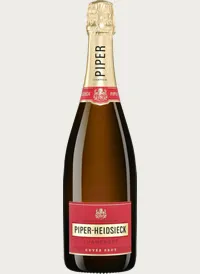
Piper Heidsieck is in fact one of the earliest champagne maisons. Founded in 1785, it is distinguished for having created a special cuvée for Marie Antoinette of France, and the queen even became its ambassador. Loved by the most famous film stars too, such as Marilyn Monroe, Heidsieck champagne is a historic symbol of its territory. To this day its wines stand out as among the finest champagnes, always made from the classic grapes: Chardonnay, Pinot Noir and Pinot Meunier.
The Cuvée Brut is among the most emblematic and representative Piper Heidsieck champagnes. An extremely lively, fresh sparkling wine, with a delicate persistence on the palate. It is straw yellow in colour, clear and bright, with notes of hawthorn and green apple on the nose, together with balanced hints of ripe pear, citrus and toasty notes. A great sip, born from the union of more than 100 crus from three distinct champagne grape varieties.
Piper Heidsieck is today one of the two brands of the Rémy Cointreau group; the other is Charles Heidsieck, another outstanding example of elegance and of a highly recognisable style, far removed from any pattern dictated by fashion.
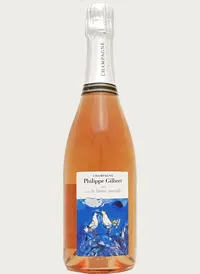
Philippe Gilbert: champagne, sport and art together
The appeal of Philippe Gilbert champagnes can be sensed in the name itself, provided you know where it comes from. Created by Giulio Menegatti, the Philippe Gilbert champagnes are inspired by the French cyclist of the same name, a metaphor for humanity, strength and elegance, a third-millennium champion with a sprinter’s gifts.
Philippe Gilbert’s athletic feats are blended with art, that of Marc Chagall, the Russian-born painter who became a French citizen, whose works become labels: those of the Philippe Gilbert champagnes are registered with the Comité Interprofessionnel du Vin de Champagne, based in Épernay.
There are four champagnes, few bottles but with exceptional character and style; from the most intense to the most balanced, every Philippe Gilbert champagne is a delicacy well worth trying, thanks in part to its good value for money.
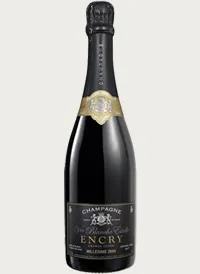
Encry, bold champagnes with an Italian touch
We are particularly fond of Encry champagnes. Bottles further from the spotlight, yet highly exclusive, they have always had an important place in our catalogue because offerings like these often turn out to be genuine masterpieces.
Encry is a young house, with a journey full of anecdotes all pointing towards the search for the perfect creation; it is a project born from the art of making champagne combined with emotion and intuition. It is run by two Italians in the heart of the Côte des Blancs; here, the vineyards lie in one of the 17 Grand Crus of Champagne and are managed with innovative techniques such as hydroseeding.
The maison, Veuve Blanche Estelle, is one of the récoltants manipulants, the small producers who grow, make and sell their champagne directly.
The results offer rare emotions and sublime pleasures, as with the Millésime, Encry’s prestigious Gran Cuvée made from a single cru in keeping with the oldest champenoise tradition of Le Mesnil-sur-Oger. An intense champagne, with a distinctive aroma and a fresh, mineral, dry taste, extremely pleasant to drink.