Some call it Zibibbo, some Muscat of Alexandria and some even Salamanna (in Campania), but it has one identity that everyone agrees on: the Zibibbo grape holds a history thousands of years long, the unmistakable character of its land and high-quality taste qualities.
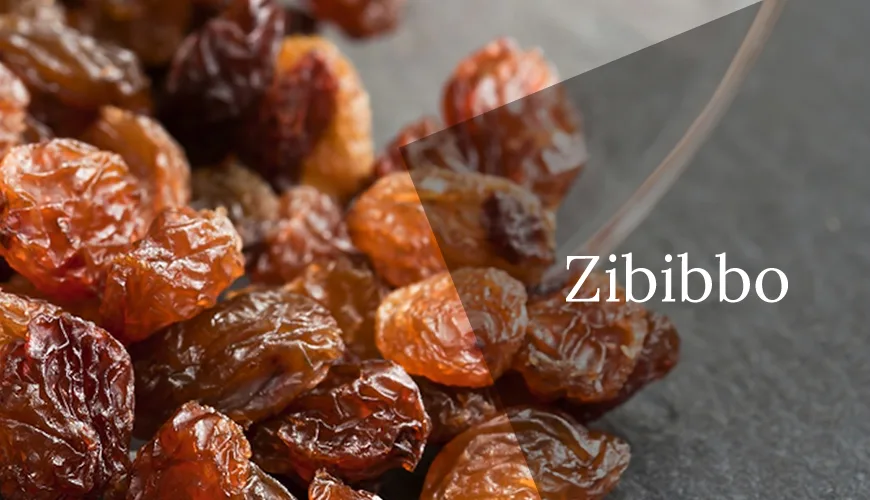
Its name comes from the Arabic word Zabīb, meaning “raisin” or “dried grape”. Zibibbo has Egyptian origins and was first brought to Pantelleria by the Phoenicians and, to the rest of Sicily, Calabria and the Pyrenees, by the Saracens. From then on, the “heroic” art of growing and working this grape variety has come down to the present day, allowing us to enjoy the scents and flavours of its homeland.
Where Zibibbo comes from
Muscat of Alexandria has unique features above all in the way it is grown, a method also handed down by the Arabs: the farming practice known as “alberello” (bush training) is used only in the island areas of the Mediterranean, such as Calabria and Sicily. It involves keeping the vines small and low, so that the leaves, intertwining and touching the ground, form a natural shield against wind and salt spray. The trunk of the vine is also grown below ground level, so that it can benefit from the moisture absorbed during the night and released during the day.
It is above all the island of Pantelleria that, thanks to its various bioclimates, is best suited to growing Zibibbo: periods of great drought alternate with spells of bad weather, strong winds and rain.
The alberello technique is as unique as the place where it is practised: the hollowed terraces typical of the island further protect the bunches from the weather, as they make perfect use of the steep slopes of the farmland. This method, also known as “terrace farming”, consists of enclosing a plot of land with stone walls which in turn support it, creating actual steps.
These practices, together with painstaking, arduous human labour, produce precious, large bunches with thick, golden-green skins and, since 2014, they have exceptionally been part of UNESCO’s cultural heritage.
Zibibbo table grapes
The qualities of the Zibibbo grape are not only suited to making great wines, but also to enjoying at the table. The berries of this variety stand out for their high sugar content, due both to the variety itself and to its long ripening period; on the palate they are sweet, fragrant and crunchy.
Among the Zibibbo grapes meant to be eaten fresh is an unusual but delightfully tasty variety: black Zibibbo, with reddish/purplish berries, a muscat aroma and a slightly firm texture. Today it is found in only a few areas, such as the province of Trapani.
How Zibibbo is made
Zibibbo grapes, considered the best for drying, are late-ripening grapes (harvested at the end of September) and incredibly rich in organoleptic qualities, hard to mistake for the taste of other white grapes.
Because they are not very prone to pests and disease, the bunches are left to ripen on the vine beyond the usual time, or laid out on stone drying racks called “stinnituri”: these are slightly tilted and let the Zibibbo bask fully in the sun, releasing highly distinctive, native scents and flavours. These steps are followed by fermentations that enhance the qualities and sweetness already present in the berries, giving rise to great Italian wines and, more precisely, to Sicilian wines of taste and quality such as Zibibbo, Moscato and Passito di Pantelleria.
How to serve Zibibbo and what to pair it with
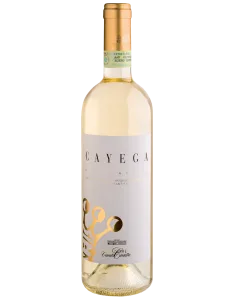
Zibibbo wine is a fairly dry, aromatic style, with a straw-yellow colour and hints of white fruit, flowers and citrus. It goes well with fish and white meat dishes and should be served chilled at 8–12 °C; its minimum alcohol content is 10 °C.
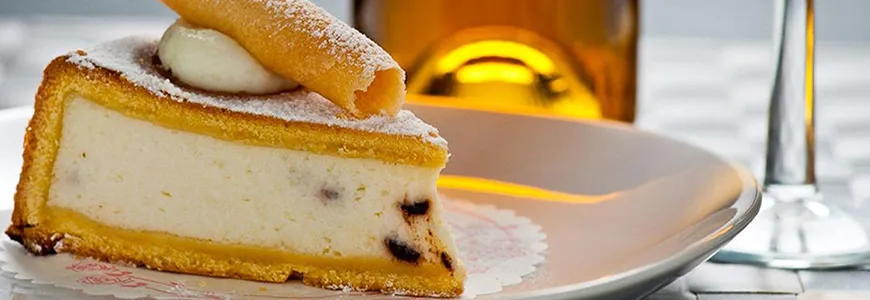
Moscato, the flagship of Zibibbo production, is a sweet, rich wine, both in appearance, with its golden hues, and in taste, with varied notes of apricot, acacia blossom and honey. Moscato wines are supple and very persistent, a perfect match for all kinds of pastries and in particular for dry, soft and creamy sweets such as Sicilian cassata or cannoli; the recommended serving temperature is 10–14 °C. The minimum alcohol content of Moscato wines is 15 °C.
Passito di Pantelleria is the most aromatic and fragrant of the wines made from Zibibbo grapes: these are sweet fortified wines, rich in hints of raisins and dried fruit, wrapped in an intense golden colour. A unique taste that calls for tarts and shortcrust pastries in general, panettone and custards; the recommended serving temperature is 10–18 °C. The alcohol content of this type of Zibibbo wine ranges from 11.5 °C (whites) to 22 °C (fortified passiti).
The main Zibibbo appellations
Zibibbo wines are high-quality products, and their appellations certify it:
- Moscato di Pantelleria DOC: wines produced exclusively on the island of Pantelleria, with an amber-yellow colour, fragrant muscat aromas and a sweet taste. They are best paired with herb cheeses, almond pastries and traditional Sicilian cannoli and cassata;
- Moscato passito di Pantelleria DOC: typical of Pantelleria, these are amber-yellow wines, sweet and warm, recommended with dry pastries or those filled with tart jams, and with herb cheeses;
- Pantelleria Moscato spumante DOC: with a fine, persistent perlage and a straw-yellow colour holding a sweet taste typical of muscat. Sparkling wines produced only on the island of Pantelleria;
- Pantelleria Passito liquoroso DOC: wines of a golden-amber yellow colour, with intense aromas and a sweet, warm, velvety taste;
- Pantelleria Zibibbo dolce DOC: these stand out for their lively perlage, golden-yellow colour and the sweet taste of Moscato;
- Passito di Pantelleria DOC: sweet and aromatic, with an intense golden-yellow colour verging on amber;
- Erice Passito DOC: made with 95% Zibibbo grapes and the rest from other white grape varieties, with a colour ranging from straw yellow to golden and a sweet, harmonious taste;
- Erice spumante DOC: also made from Zibibbo and other white grapes. They stand out for their fine, persistent perlage, straw-yellow colour and aromatic, sweet, harmonious taste;
- Erice vendemmia tardiva Zibibbo DOC: with a colour ranging from straw yellow to golden and a sweet, full taste. They are made with 95% Muscat of Alexandria grapes and 5% other white grape varieties;
- Calabria IGP Bianco Zibibbo;
- Calabria IGP Bianco Zibibbo Passito.
Our selection of Zibibbo wines
Muscat of Alexandria comes at the end of the meal like the icing on the cake. Fortified or passito, a small tulip glass is ideal for sipping it; it should be served chilled, between 8 and 12 degrees. But the grapes of this special variety also make excellent wines to enjoy at the table or as an aperitif, not only with dessert. Here are a few suggestions.

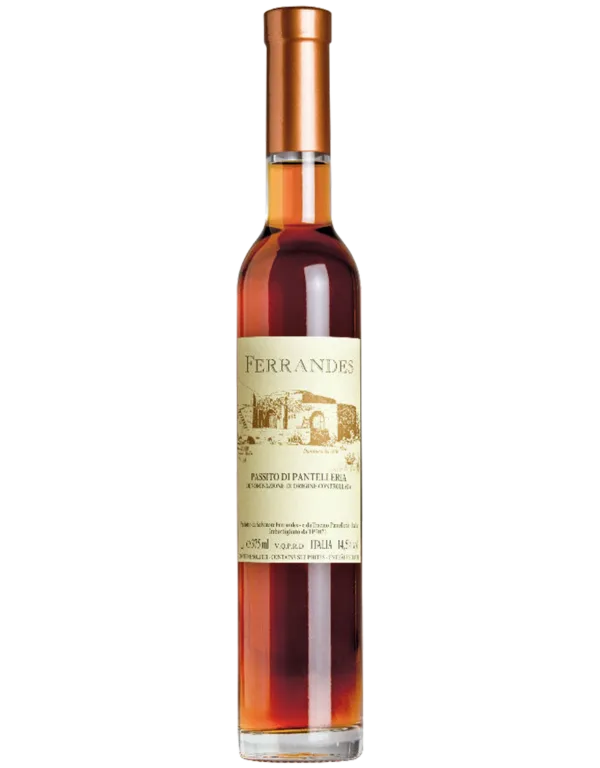
Passito di Pantelleria Ferrandes
It smells of raisins, almonds and dried fruit, and it tastes of Sicily: Passito di Pantelleria is one of the wonders of Zibibbo. Passito wines are made in much the same way as other wines, except that the grapes are left to dry for a long time so as to draw as much water as possible out of the berries. This way the sugars stay in the grape and the wine is sweet, fragrant and persistent.
The estate, owned by a Spanish family long resident on the island, follows ancient methods of winemaking and of drying the bunches. Ferrandes passito is excellent with tarts, panettone and custards.
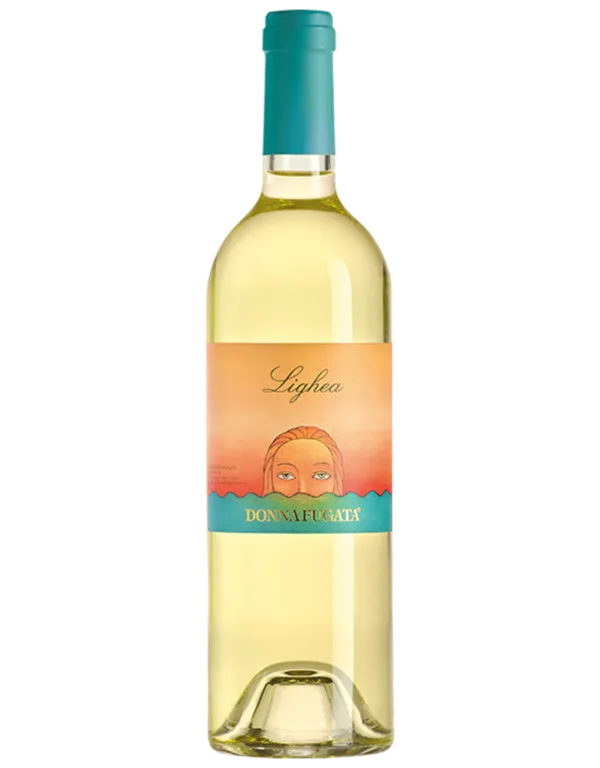
Lighea Donnafugata
From one of Sicily’s most representative wineries comes another take on Zibibbo grapes: Lighea is a very fresh white, to enjoy with fish dishes and gourmet salads.
It shows a brilliant straw-yellow colour with greenish highlights; on the nose it offers a rich, fragrant bouquet, with delicate notes of orange blossom joined by citrus hints of citron and bergamot and light notes of exotic fruit. Lighea Donnafugata has good persistence and a pleasant, thoroughly mineral finish.
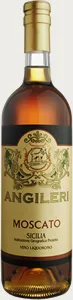
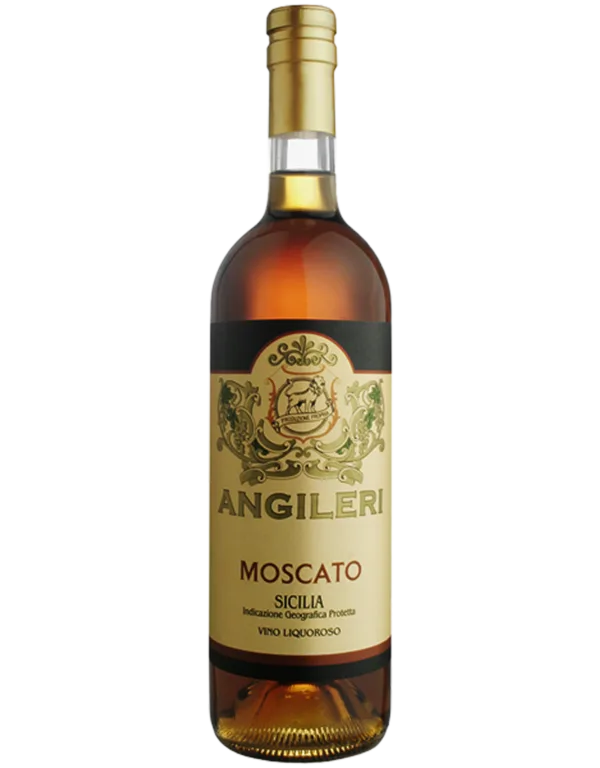
Moscato Angileri
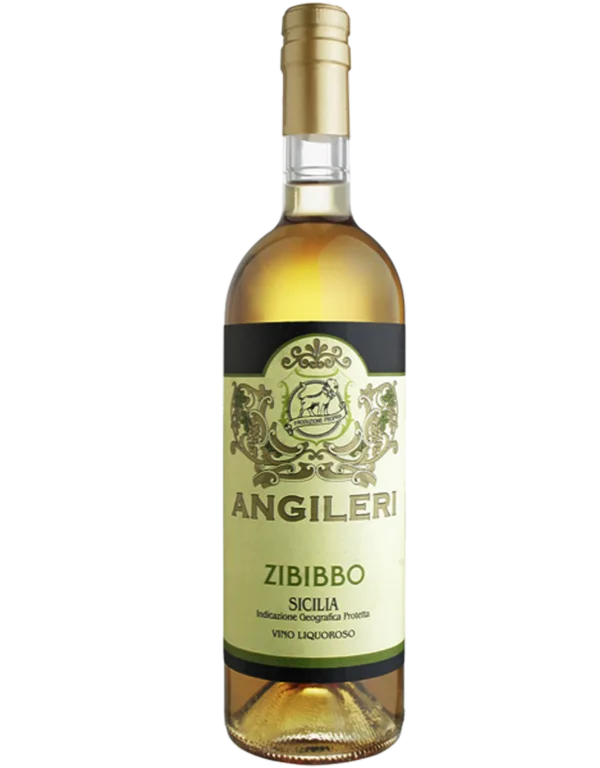
More intense and amber than traditional Zibibbo, this Moscato is made from grapes left to dry on the vine for a long time. Moscato Angileri is a fortified wine ideal with shortcrust and custard tarts, and masterful with traditional Sicilian pastries.
It stands out for its straw yellow with golden highlights. The bouquet has a fine, elegant aromatic intensity, with prominent fruity notes of citrus and white melon, delicate floral hints of orange blossom and white rose and nuances of aromatic herbs. On the palate it is fresh and clean, with a delicate sweetness and lovely persistence.
Sweet, dry or sparkling, Zibibbo wines embody the mastery, tradition and passion of expert winegrowers who, through skilful production, create wines of quality, renown and prestige.