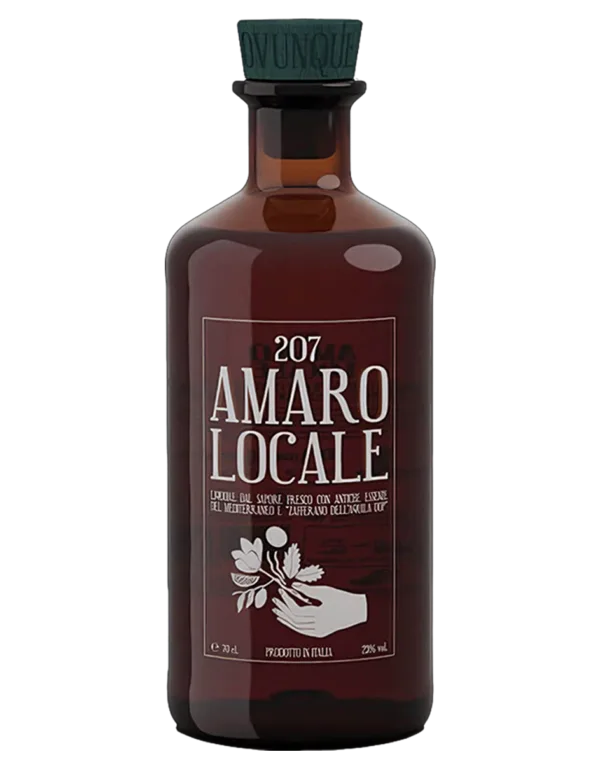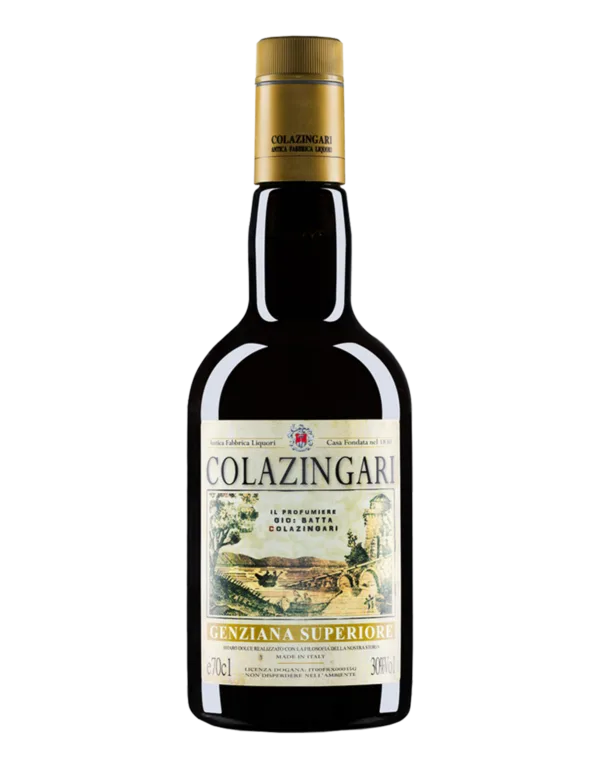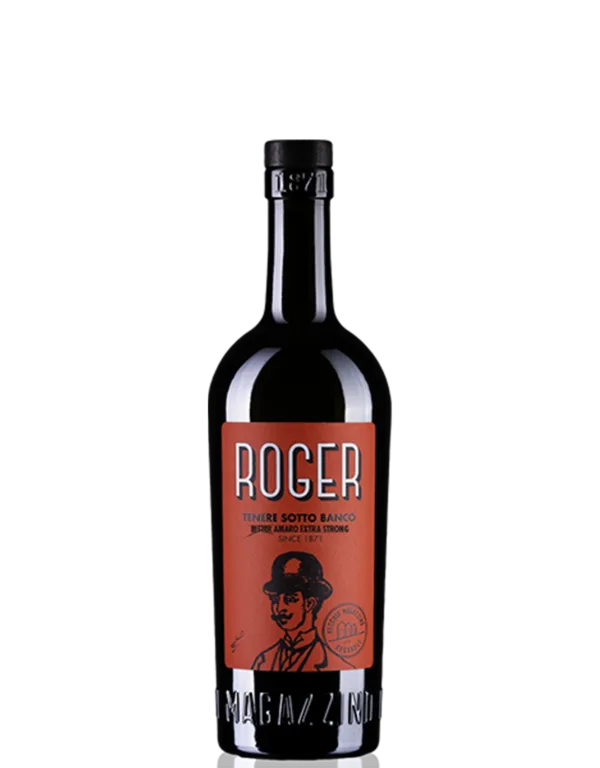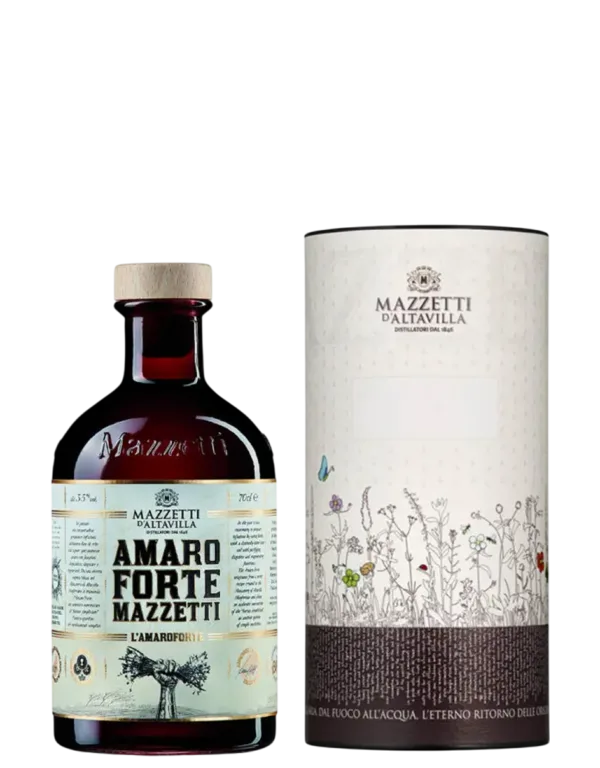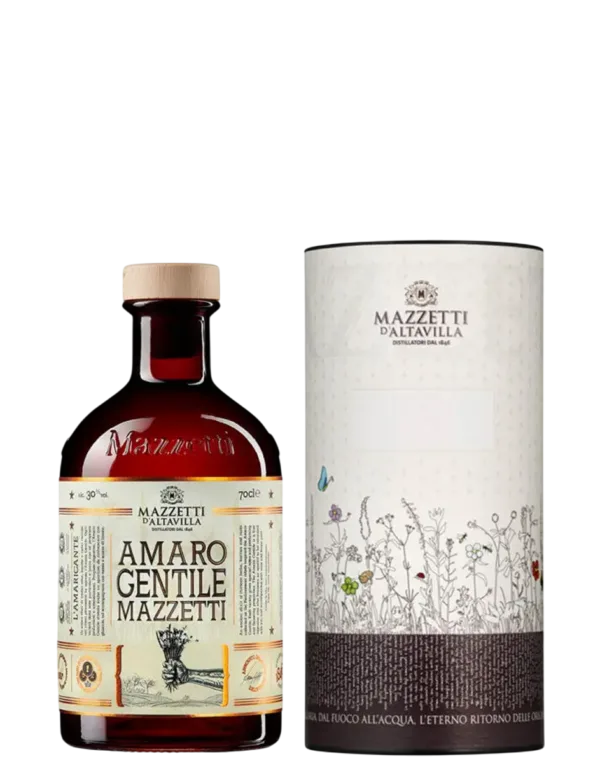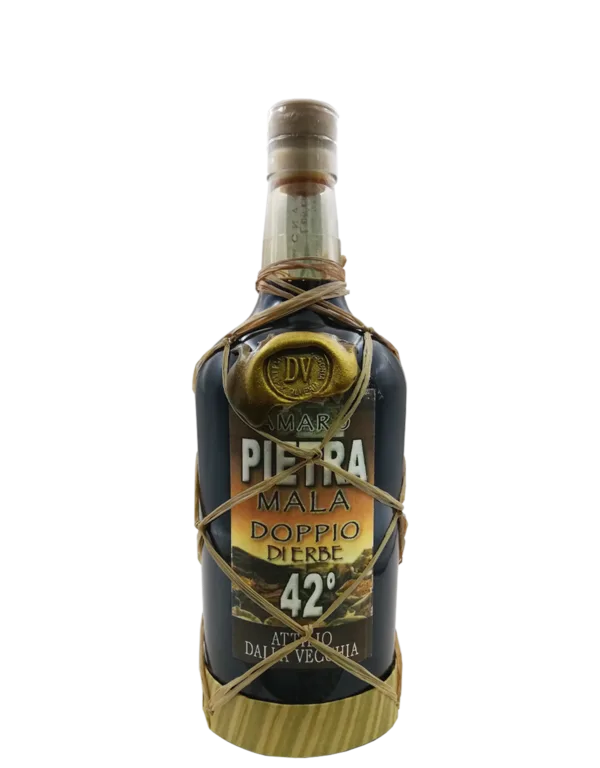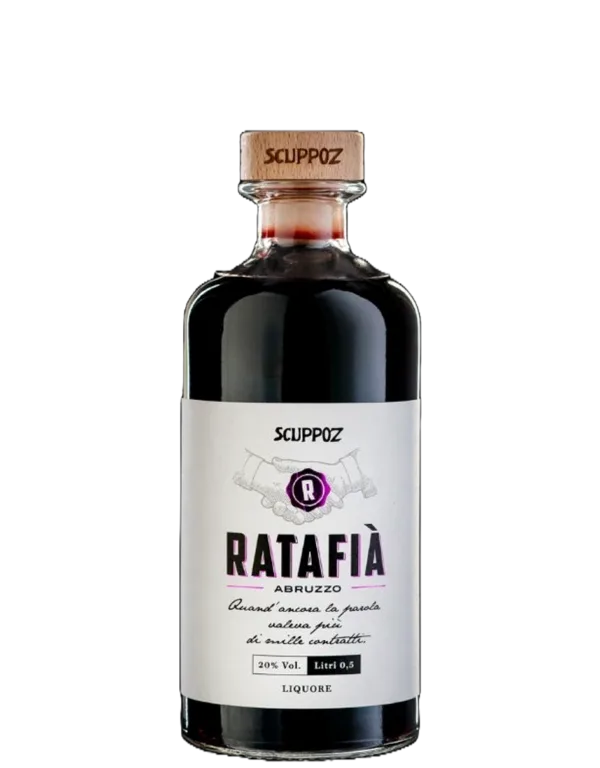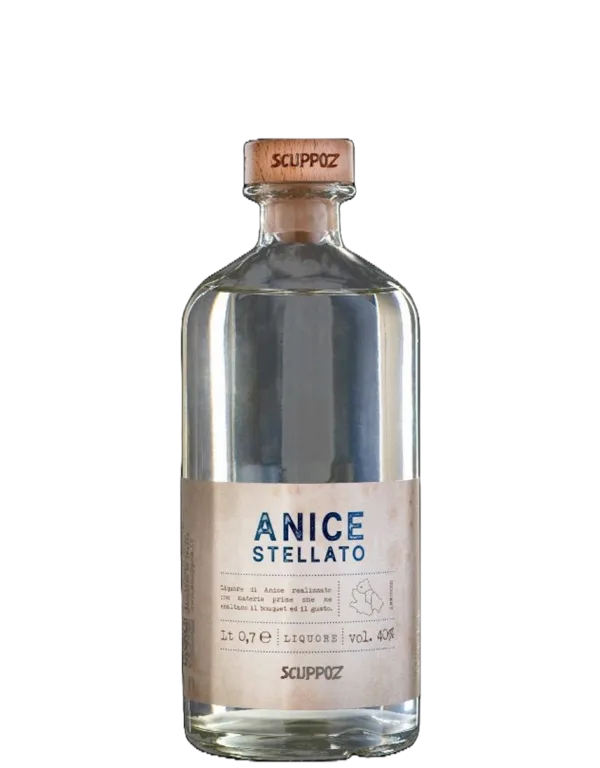
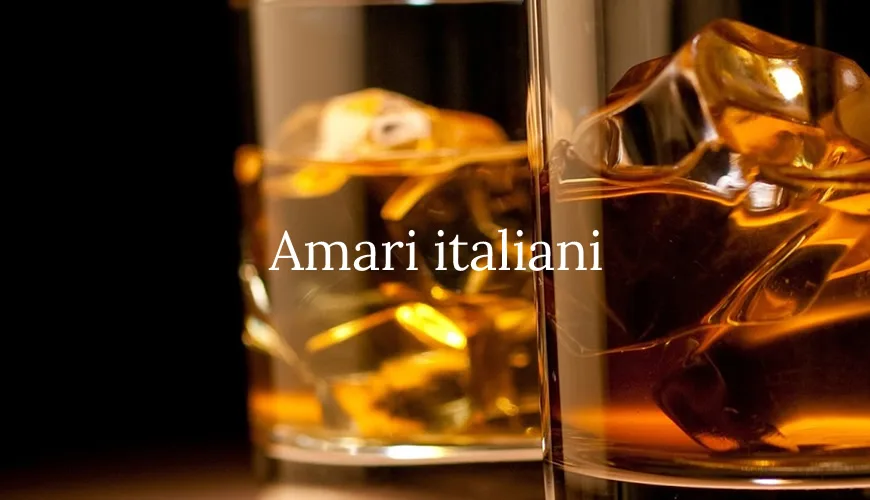
It stands out for its intense, complex flavour, which comes from the use of herbs, roots, spices and botanicals: amaro is a traditionally Italian alcoholic drink. Italy is in fact the country with the largest number of amari, because its climate and landscape nurture a truly varied flora.
If you want to see our selection of amari straight away, click here
Every region has one or more kinds of amaro.
Used centuries ago for its supposed medicinal properties, today amaro is also a cultural symbol shared by all of Italy’s regions, a true after-dinner tradition.
Like so many Italian treasures, amaro has ancient origins, linked to the world of alchemists and healers as far back as the Middle Ages. Steeping herbs and roots in alcohol made it possible to create healing tonics meant to treat digestive complaints, fevers and other ailments. These elixirs were often bitter because of the properties of the plants used, such as gentian, cinchona or rhubarb. As medicine and chemistry evolved, these preparations became increasingly popular at noble courts, and the simple herbal remedy began to be seen as something to drink regularly, for pleasure as well as for its healing properties.
Centuries later, the essence of their origins remains: the “bitter” character that comes from the use of certain herbs, and the low sugar content, which aids digestion.
But let us get to know this world better, one that is increasingly moving towards the production of exclusive amari, not simply digestifs.
Let us try to answer the most common questions about amari:
- How is amaro made?
- What is the difference between amaro and liqueur?
- How strong is amaro?
- How do you drink amaro?
- The question of questions: what is the best amaro in the world?
- Which are the most exclusive Italian amari?
How is amaro made?
Making amaro is an artisanal process that takes time and a deep knowledge of herbs and aromas.
The method varies depending on the recipe, but the stage that extracts the substances that give amaro its flavour, body and herbal properties is always essential. This can be done in different ways: distillation, percolation, infusion or tincture. The most common is certainly infusion, in which the botanicals are left to steep for a long time in an alcohol solution. The best way to respect the raw material as fully as possible is to do this at room temperature, so that all the active principles of the herbs, spices or botanicals are preserved.
Infusion is followed by percolation, distillation and filtration, which can be carried out on the whole mix of botanicals but also on groups of herbs or on a single herb, depending on the amaro’s recipe. In any case it is a great deal of work, drawing on centuries of knowledge typical of Italian craftsmanship.
What is the difference between amaro and liqueur?
Although amari and liqueurs belong to the same family of flavoured alcoholic drinks, there are differences between the two.
Amaro is characterised by its bitter taste, as the name suggests. The flavour comes from the botanical ingredients used, all of which are naturally bitter. Amaro also tends to have a digestive function, which makes it a typical end-of-meal drink.
Liqueur, on the other hand, stands out for its sweet taste, usually obtained by adding sugar or syrup. Liqueurs can be made with a wide range of flavourings, from fruit to herbs, but the sweet element always predominates. Liqueurs are often drunk on their own, used as a cocktail base or used in pastry-making.
So, while in amaro the “bitter side” of the botanicals is clearly noticeable, liqueur is a mix of sweetness and specific flavours. Two drinks that seem similar but are not the same.
How strong is amaro?
The alcohol content of amaro can vary considerably depending on the brand and the recipe. It depends on several production factors: not only the amount of alcohol used, but also the sugars or the ageing time. Then there is the producer’s choice of what kind of amaro to make; the strength of an amaro also influences how it is drunk.
Generally speaking, amari range between 20% and 40% alcohol by volume.
The lightest can have an alcohol content of 16-18%, as well as some sugar and a slightly sweeter taste than traditional amaro. The medium-strength ones, with a well-defined bitter flavour, reach 30-35 degrees; finally, the strongest amari can exceed 40 degrees and are the most bitter, drunk mainly as digestifs after a meal.
How do you drink amaro?
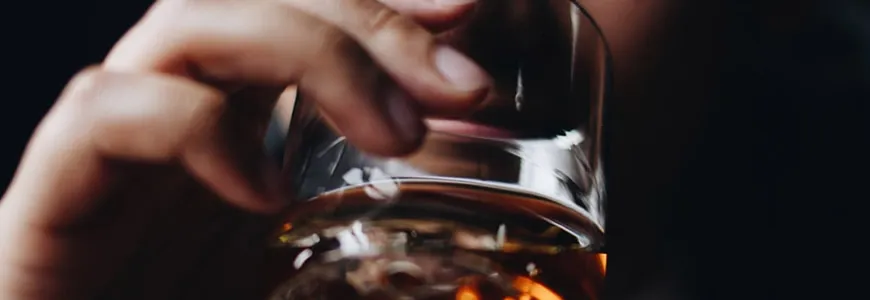
As we said, amaro is traditionally sipped at the end of a meal to aid digestion. There are, however, several ways to enjoy it, depending on personal preference or the style of the amaro in question:
- Neat; amaro can be drunk neat at room temperature or slightly chilled, often served in small or medium glasses, such as liqueur glasses.
- On the rocks; many prefer to enjoy it with ice, which slightly softens the power of the flavours and makes it more refreshing, especially in the warmer months.
- Cocktails; in recent years, amaro has also become a popular cocktail ingredient.
- Caffè corretto; in some regions of Italy, it is common to “correct” coffee with a small dash of amaro, adding a bitter, alcoholic note to the intense flavour of espresso.
The most suitable glass for neat amaro is the classic cylindrical one, while a low tumbler is better when you prefer to drink amaro on the rocks. For chilled amari, you can also opt for a stemmed glass, which lets you hold the glass by the stem.
The question of questions: what is the best amaro in the world?
One of the most common questions, and one that is hard to answer precisely, because the world of amari is extraordinarily rich and varied. In Italy, the undisputed home of this drink, there are countless varieties of amaro, each with its own identity and tradition, and an incredible diversity of flavours.
Italian amari range from the sweetest and lightest to the most bitter and robust, each designed to suit different tastes and to be enjoyed in different settings.
Saying which is the best amaro in the world is a largely subjective matter. How we perceive taste depends on individual preferences, on our tasting experiences and also on the setting in which the amaro is drunk.
What is certain is that Italian amari have received several prestigious international awards. Naming the best amaro is complicated, but the awards honour Italian amaro as the most appreciated and refined in the world. Every amaro tells a story, often linked to a region, a family tradition or a centuries-old herbal practice. The value of each one also lies in the culture and history it represents, as only Italian amaro can.
To the question “What is the best amaro in the world?” we would answer: Italian amaro!
Which are the most exclusive Italian amari?
Beyond the classics and the best-known names, more and more Italian amari are emerging that are devoted to craftsmanship, to quality ingredients and to offering a tasting that is a genuine sensory experience. Producers often experiment with new combinations of herbs and spices while remaining faithful to local traditions, and rediscover old recipes and production techniques, creating exclusive, niche amari that attract an ever wider audience of enthusiasts.
At the same time, innovation is a key element in the growth of the amaro market. New interpretations of the drink are catching on, such as lighter amari or amari with unusual ingredients, designed for contemporary cocktails or to be enjoyed differently from the traditional after-dinner drink.
Among Italian amari, a particular wave of success concerns Calabrian and Sicilian amari.
Calabrian amari
Calabria, a region of southern Italy renowned for its natural beauty and rich cultural heritage, is also a land of great food and wine traditions. Among its most prized treasures are Calabrian amari, artisanal products that embody the scent and taste of the plants, spices and roots that grow abundantly in this region.
Calabrian amari stand out for their strong regional identity and for their use of local ingredients, which make them true expressions of the Calabrian landscape.
Calabria offers an ideal environment for many aromatic and medicinal plants that give amari a unique, distinctive taste.
Among the most common ingredients in Calabrian amari are:
- liquorice; one of the main ingredients of many of the region’s amari, Calabrian liquorice, with its sweet, intense flavour, gives amari a distinctive, recognisable character;
- bergamot; a citrus fruit grown in Calabria, it is another key element of local amari. Its fresh citrus notes balance the bitterness of the other herbs;
- chilli pepper; the famous Calabrian chilli can also be found in some amari, bringing warmth to the palate;
- gentian and juniper; roots and berries used in many preparations, which help give the bitter taste complexity and depth. Each distillery or producer naturally develops its own secret recipe, selecting different combinations of herbs and spices that reflect the biodiversity and microclimate of the area where it works.
In recent years Calabrian amari have also begun to attract attention outside Italy, thanks to the growing demand for artisanal, authentic products.
Winners at numerous international competitions, they show how the quality and craftsmanship of Calabria can compete on a global level.
We are talking in particular about producers such as Vecchio Magazzino Doganale, who have helped relaunch the image of Calabrian amaro as an exclusive product sought after by connoisseurs all over the world with the now famous Jefferson Amaro Importante.
Jefferson Amaro Importante
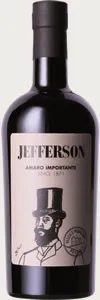
Named the best herbal liqueur and the best liqueur in the world at the World’s Drink Awards in London in 2018, Jefferson is the first Italian amaro to win in competitions of this kind.
This Calabrian amaro is made with the fresh herbs and fine citrus fruits of its region: rosemary, oregano, lemons, bitter oranges, grapefruit, bergamot and gentian from the Sila.
Tasting it is an amazing experience. It is powerful on the nose, bitter on the palate at first and then smoother and more balanced, with a persistent herbaceous finish. It is an amaro unlike any other, thanks not only to its carefully selected raw materials but also to its respect for old recipes and local traditions.
It recalls the story of Captain Jefferson who, together with other sailors, was shipwrecked in 1871 on the Tyrrhenian coast of Calabria. That is how the group came across the old customs warehouse, run at the time by Raffaele Trombino, with whom they began distilling liqueurs from the fine herbs of the Calabrian forests. The recipes and secrets of that time, which seemed lost, were taken up again by Ivan Trombino, who found a way to bring them back to life with the liqueurs and amari of Vecchio Magazzino Doganale.
Jefferson is a Calabrian amaro with a natural, authentic taste, a Mediterranean amaro to drink either chilled or at room temperature.
Sicilian amari
Close to Calabria both geographically and in the importance of its traditions and the variety of its herbs, Sicily is a region with a significant history of amaro production.
Sicilian amari are strongly tied to their environment, to the local flora and to the richness of the landscape. Ancient civilisations, from the Greeks to the Arabs and the Normans, have left a significant mark, which can be found today in the skilful use of local herbs, citrus fruits and spices, giving rise to products with a distinctive flavour that capture the very essence of the island.
The raw materials used include a wide variety of aromatic plants and fruits typical of the region.
Among the distinctive elements are:
- Sicilian citrus fruits; lemons, oranges and citrons are iconic ingredients of Sicilian amari. Citrus fruits bring a freshness and liveliness that are the quintessence of the Sicilian climate and landscape. Lemon in particular, with its intense scent and sharp flavour, often takes centre stage in the island’s amaro recipes.
- Mediterranean herbs and spices; Sicilian amari also often use aromatic herbs such as rosemary, mint and bay leaf, which grow abundantly in the Sicilian hills and countryside. These plants add complexity and depth to the flavours, creating a unique balance between sweetness and bitterness;
- wild plants; Sicily offers a highly varied territory, with different kinds of nature even within the same island. Wild plants are very special, such as those growing in the area around Etna, renowned for the production of wines and spirits.
Amaro production in Sicily is closely tied to the island’s culture and traditions, and it also reflects the islanders’ passion for intense, genuine flavours. Just as the island’s cuisine is an explosion of taste and colour, Sicilian amari too are a harmonious combination of powerful flavours that evoke the essence of the land, the sea and the sun of Sicily.
With a freshness, authenticity and intensity typical of the Mediterranean, Sicilian amari are winning over an ever wider audience and, like the Calabrian ones, are crossing national borders. Among the most successful is Amara, the blood orange amaro, an explosive mix of the flavours and colours of Trinacria.
Amaro Amara
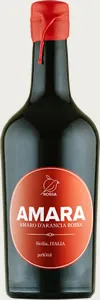
Amara is an artisanal Sicilian amaro, made with Tarocco Gallo and Tarocco Nocellara blood oranges, harvested on the slopes of Etna. Two citrus varieties with a sweet flavour and a slightly tart note. The peels, infused together with aromatic herbs that grow wild in the countryside, give this Sicilian amaro an initial sweetness and a full-bodied, decisive taste.
The fine balance between citrus notes and wild herbs makes it a most appealing, pleasant amaro, at its best served ice-cold. Amara is an excellent natural digestif, and also an exclusive cocktail ingredient.
It is made by the company Rossa, with the aim of showcasing Sicily’s genuine produce and the great wealth of natural and cultural heritage the island holds.
A challenge born from the far-sighted vision of young Sicilian entrepreneurs determined to revive Sicily’s farming tradition by cultivating family orange groves and producing as naturally as possible. Amara is made from Arancia Rossa di Sicilia IGP blood oranges, grown without chemicals and with respect for the environment.
With intense aromas and an inimitable flavour, Amara captures the identity of Sicily, a hymn to summer and to its beautiful island.
Other Italian amari to try
There are many noteworthy Italian amari. As we said, every region produces its own distinctive ones.
Here are a few suggestions from our catalogue.
Amacardo Amaro di carciofino selvatico dell’Etna
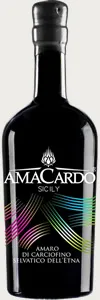
Extracted from the wild artichoke of the Sicilian valleys around the volcano. An enveloping amaro, amber in colour with a full, intense aromatic nose and a sweetish taste.
Genziana delle Pecore
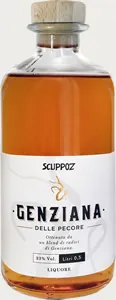
An amaro from Abruzzo with great digestive properties, made with white wine and hand-cut roots. Complex and round in flavour, it is an amaro signed by Scuppoz.
Amaro Eroico
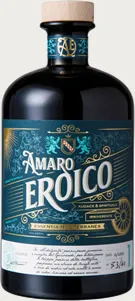
Made by cold maceration of berries, roots, aromatic and medicinal herbs, together with exclusive Mediterranean flavours such as Calabrian citron and bergamot, Limone di Sorrento IGP and Arancia Rossa di Sicilia IGP.
Amaro Formidabile
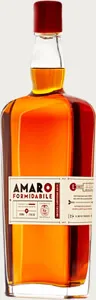
An Italian amaro made by hand by macerating aromatic and medicinal plants in the purest wheat alcohol. A one-of-a-kind amaro from Pallini.
Vaca Mora Riserva
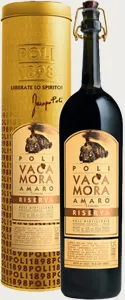
A limited-edition amaro made to celebrate the 125th anniversary of Poli Distillerie. Its intense, full nose recalls notes of spices and medicinal herbs, with a light hint of mint and toasted oak. Intense, with a refreshing finish.
Amaro con foglie di mandarino
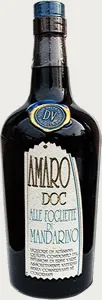
Made by the Veneto distillery Dalla Vecchia, this amaro is extracted from mandarin peel and leaves, which give it an intense and very pleasant aroma.