Calling them famous would be superfluous, and ranking them among the best in the world would arouse the envy of other deserving regions; the fact remains that Piedmont’s wines come from a production that answers only to the call of excellence. More than 50 DOC and DOCG labels are born in the cradle between the Western Alps, the Apennines and the Po Valley: Piedmont has given up the IGT in order to guarantee consumers a recognisable prestige through the highest expressions of quality.
For the wines of Piedmont, “fine” is not just a word on a label. Prestige echoes in the air, in the breeze that blows over the ups and downs between Switzerland and Liguria; it grows stronger in the hands of the winegrowers and presses on between the rows of the rich vineyards. After all, prestige runs through the history of Piedmont winemaking which, over the years and through hard work, has won the hearts of wine lovers around the world. Abroad, people talk about fine Piedmont wines, about classic grape varieties but also niche ones; they talk about a quality pyramid built on a large number of DOCs, with only DOCGs at the top.
In recent years the DOC has seen major changes. First and foremost, the production area has been extended to the whole region, new styles based on native grape varieties have been introduced, and new mountain vineyards have been recognised – that is, all those above 500 metres above sea level or, alternatively, with a gradient of more than 30% or, finally, terraced.
Nebbiolo, the queen of black grapes
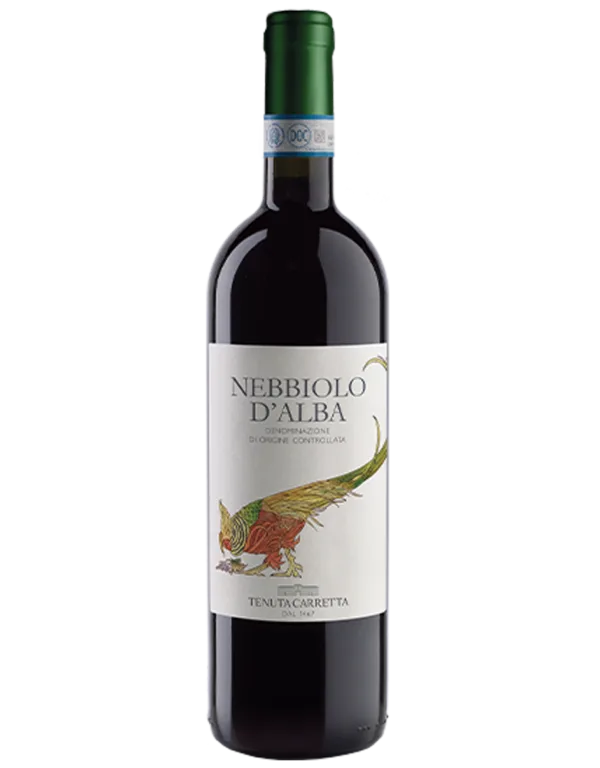
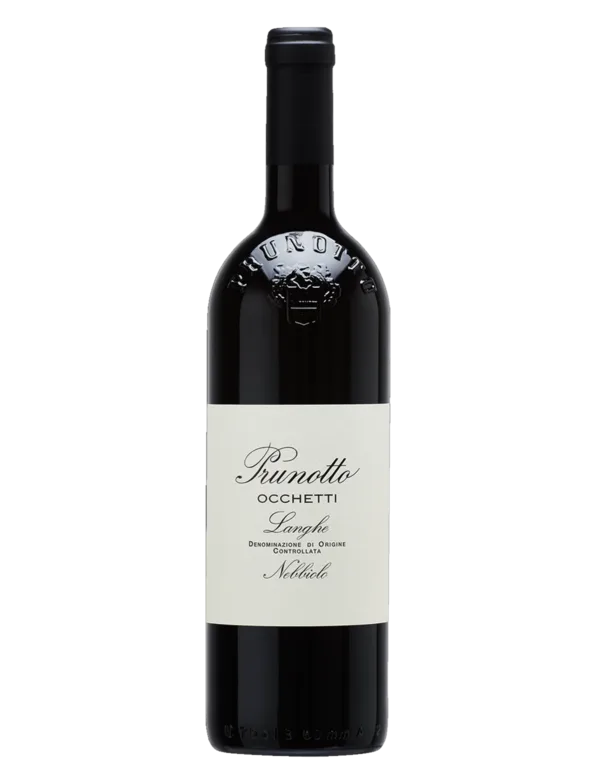
Among Piedmont’s DOC wines, Nebbiolo holds a place of honour: the Nebbiolo d’Alba is a single-varietal red that expresses only important tones – those of its grape.
But Nebbiolo is above all the oldest native grape variety of Piedmont. Its noble character has earned it the nickname “queen of black grapes” and, as such, it receives painstaking care so that the yield is always excellent. It is the result of Piedmont’s wise choice, which leaves no room for alternatives: Nebbiolo gives strong, powerful wines, the great Piedmont reds, pride of Italian winemaking around the world. Wine-growing Piedmont is proud, above all of its crown jewels, the DOCGs.
The DOCG is reserved for wines that have already held DOC status for at least 10 years and are of particular distinction compared with others. It is the appellation of the most exclusive wines, compliance with the production rules is strict, and Piedmont pays attention down to the last comma. This is how a grape like Nebbiolo gives rise to two champions among reds, Barolo and Barbaresco.
Barolo, a wine for refined palates
In an area of 11 municipalities, Nebbiolo reaches a spectacular finale: the journey of Piedmont’s oldest grape ends with the production of the king of wines, Barolo.
Barolo became a DOC in 1966 and later moved up to DOCG. Its climb to success began back in the 1600s: through periods of glory and others of obscurity, Barolo became the wine for great occasions, the red of many nuances and aromas which, to be called Barolo, must age for at least 38 months.
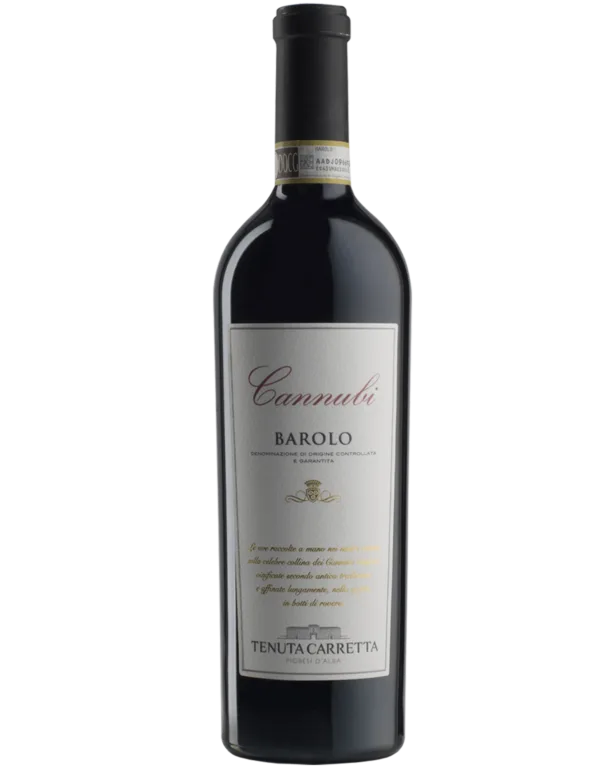
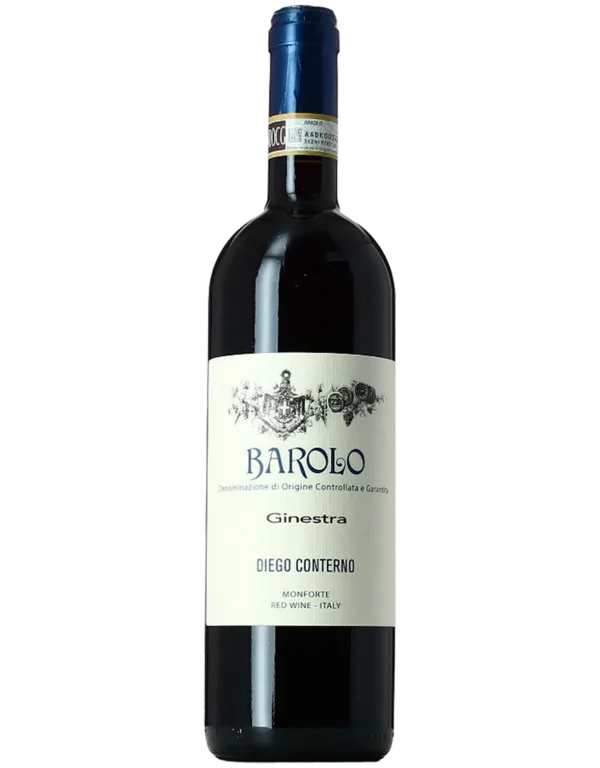
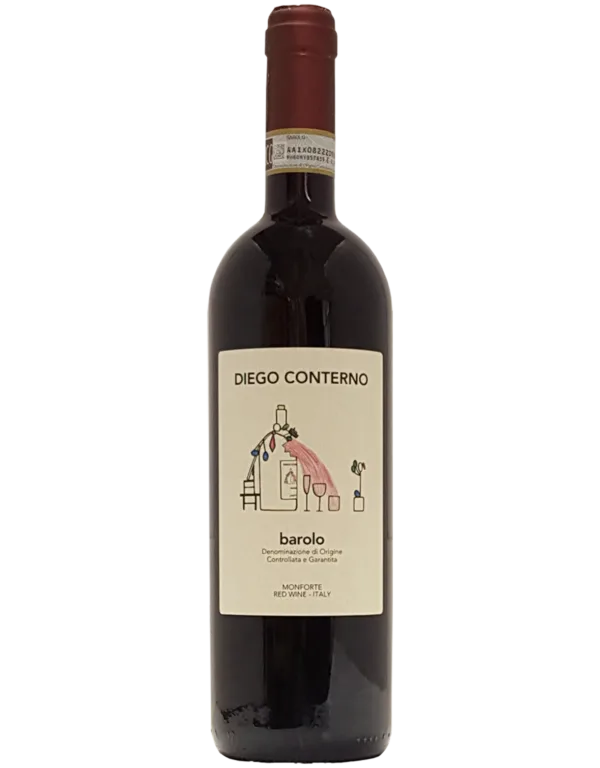
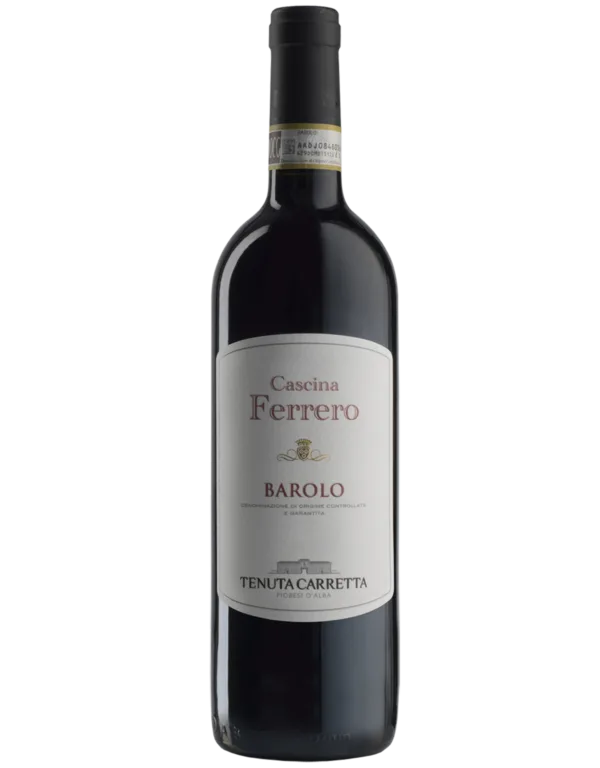
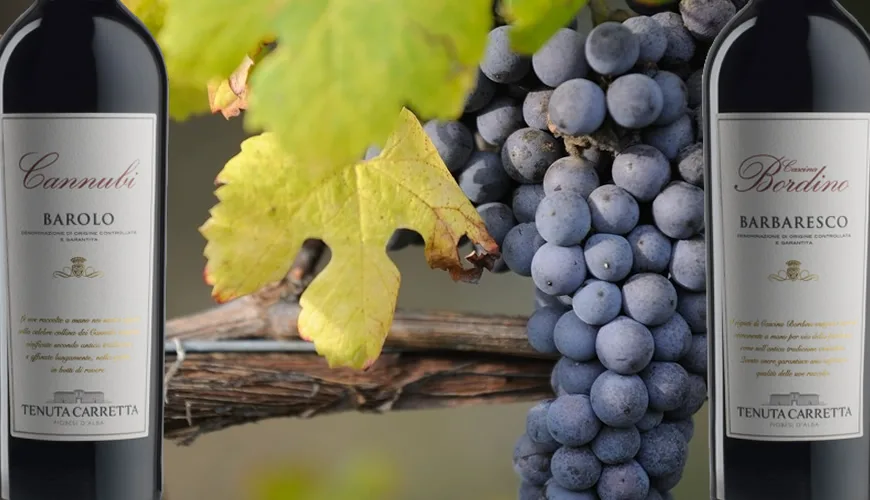
Among Barolo’s notes and hints emerge the unmistakable aromas of the queen of black grapes, which in the Langhe is the pride and joy of its producers. After all, Nebbiolo entrusts the task of speaking for it only to the best; two examples are the Barolos of Tenuta Carretta and Diego Conterno.
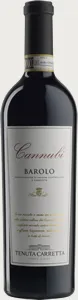
Cannubi is the cru of Barolo. A complex, intense Piedmont red wine from the best position in the Langhe, in terms of both exposure and microclimate. It is produced by Tenuta Carretta. Ruby red verging on purple, Barolo Cannubi has hints of flowers and berries, and a typical, balanced and harmonious taste. Warm and full, it naturally stands out for the nobility of its tannins and its unmistakable elegance.
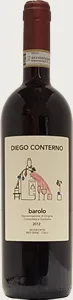
Diego Conterno’s Barolo is a red for ageing, with fermentation and maceration of up to 25 days and maturation in wooden casks for up to 30 months. Full of character, this Barolo has unique aromas ranging from red fruit to liquorice, spices, vanilla and coffee. Enveloping and warm, it pairs perfectly with elaborate meat dishes. The Diego Conterno winery is in the medieval centre of Monforte d’Alba.
Barbaresco: in Piedmont there is no limit to the best
Nebbiolo is behind another fine Piedmont excellence, Barbaresco. Its history begins with that of Barolo and has gone hand in hand with it over the years.
Barbaresco became a DOCG in 1980. Ageing is compulsory for it too: two years, of which at least nine months in oak casks. Barbaresco is the ultimate expression of elegance in wine. Its production area, close to that of Barolo, gives it this exclusive quality, whereas Barolo is more powerful. Being expressions of the same grape, Barbaresco and Barolo resemble each other, but the different composition of the soils where the Nebbiolo grows gives them a distinct and unique character.
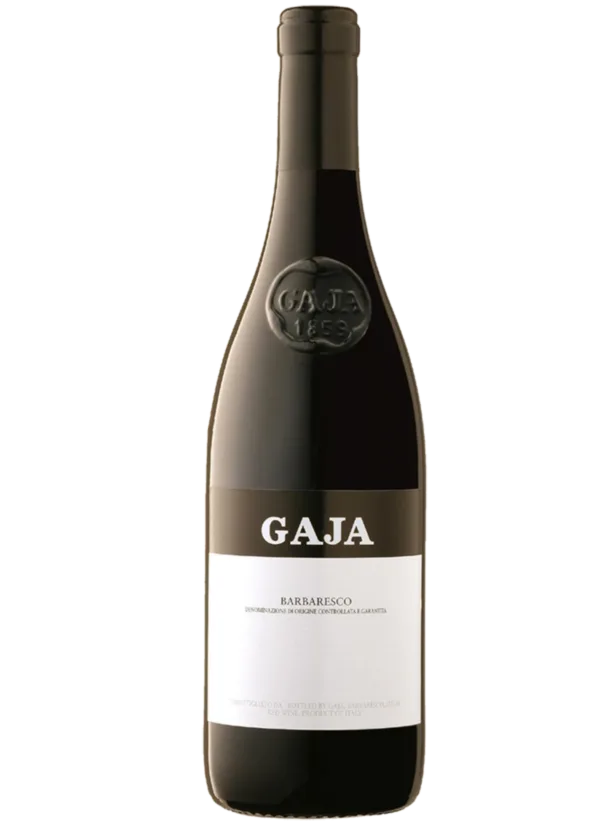
Among Barbarescos, how could we not mention Gaja, a benchmark for the production of this wine. The company has been working in pursuit of perfection since as far back as 1859, in the Barbaresco area that shares its name, with fine labels that have become famous all over the world.
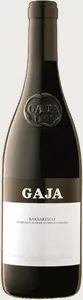
Unmistakable from the very look of the bottle: Barbaresco Gaja is a symbol of Italian quality on the international stage. The essence of Piedmont, it ranks among the best reds thanks to its singular personality and very high organoleptic profile. Elegant, with an aromatic and persistent taste, Barbaresco Gaja is intense in appearance and on the palate: a vigorous garnet red that releases pleasant hints of dark berries, floral notes of violet and an aftertaste of aromatic herbs, white pepper, tobacco and anise.
Suited to well-structured dishes for special days rather than everyday meals, it is ideal for an intoxicating tasting on special occasions.
Barbaresco and Barolo are the finest examples of a production that excels and that, abroad, speaks for a wholly Italian quality and wine culture. And the world always responds with particular pleasure to great wines, to the fine wines of Piedmont.
Barbera d’Alba, the pleasure of versatility
It is produced in the province of Cuneo, on the hills of Alba, where the grape of the same name grows on dry soil rich in mineral salts. Barbera d’Alba does not fear the passing of time: over the years its organoleptic characteristics change, but only for the better. Even young, it is not bad at all. Its intense ruby red turns garnet with ageing; the dry, slightly tannic taste gives way to fullness and harmony; the nose is delicate, reminiscent of flowers and berries. Italian culinary tradition has embraced it: Barbera d’Alba pairs with many dishes of our cuisine.
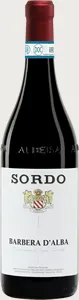
Among Piedmont’s producers, the Sordo winery also works with Barbera. Family-run, it has been growing vines and making wine in the Langhe for more than 3 generations, and today, across a total of 53 hectares, it crafts the finest expressions of Piedmont reds.
Sordo’s Barbera d’Alba is a wine with a warm, full, complex, dry and harmonious taste.
It is ruby red with garnet highlights that become more evident over the years, with delicate, vinous, intense, broad and persistent aromas; overall it expresses a beautiful harmony.
It is a no-frills wine, direct and pleasant, to pair with meat and country dishes, as well as nibbles and starters.
Dolcetto d’Alba: every day is a good day
Dolcetto has a typical, velvety taste and is a perfect “everyday wine”, to pair with starters, cheeses and first courses of Italian or international cuisine. Violet highlights tinge its ruby red; fruit and flowers delight the nose; almond creeps into the finish of its velvety palate. It is a pleasant, easy-drinking wine.
Piedmont white wines
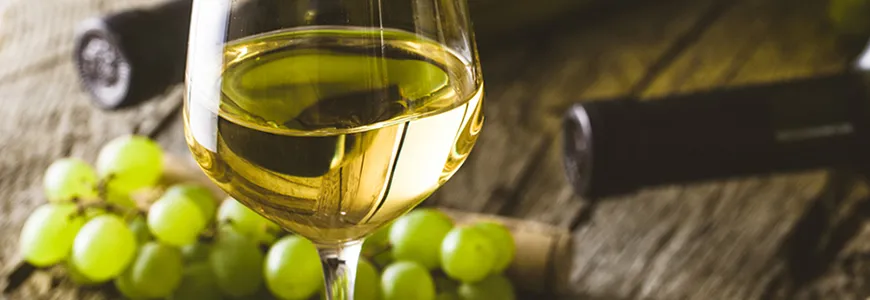
In Piedmont there is room for everyone: whites too find their place, thanks to the commitment and drive for innovation of small local wineries. Small only in size, for now, but big in spirit (to find out more about Piedmont’s whites, read Piedmont white wine: Langhe and Roero with a taste of the sea).
In the meantime, here are some of Piedmont’s whites.
Timorasso
A full-bodied, well-structured wine which, like the reds, has a long history behind it. Centuries ago the grape was already grown in Piedmont, but with unsatisfying results: only in recent years have producers taken a new path, with ambitious goals. When young, Timorasso is straw yellow, with complex aromas of acacia and hawthorn, fruit and notes of honey and minerals; as it ages its colour turns golden, and the honey and minerals become stronger and more noticeable. Its taste is supple and dry, and its decisive acidity keeps it fresh even after years. Excellent at the table with first courses, white meats (even with herbs), fish and goat’s cheeses.
Cortese di Gavi
The Alessandria area is the backdrop for grapes that are often harvested early. The result is a wine light in colour and structure, of excellent quality despite its youth. With riper grapes, Cortese becomes finer and gains extremely elegant mineral hints; its character is more complex, but its taste always fresh and graceful. The quality of this wine is closely tied to the way the grape is grown – sustainably and with care for local customs and traditions, as indeed happens throughout the region. Cortese is at its best at the table with fish and shellfish dishes.
Moscato
Last but not least, Moscato is fresh, elegant and sweet; its perfect balance of sugar and acidity makes it pleasant and easy to drink: paired with dessert, it is a fitting end to a meal. It is also welcome as a refreshing summer drink. The grape has been known since Roman times; several times in history attempts were made to plant it up and down the peninsula, but Moscato is Piedmontese, rooted in this land.
A curiosity about Piedmont wines: a descent into the infernot
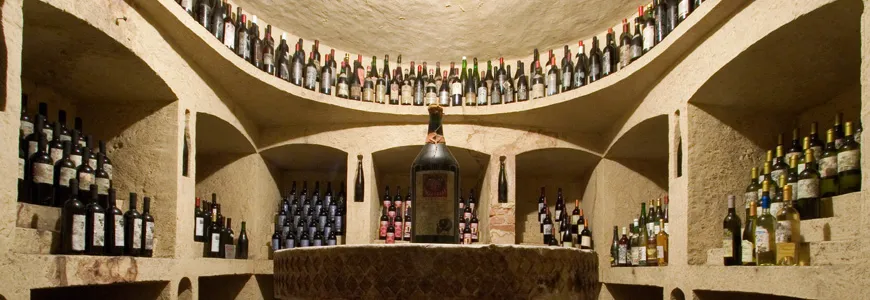
Recognised by UNESCO as a World Heritage Site, the Piedmont landscape of the Langhe, Roero and Monferrato is an exceptional testimony to the interaction between people and their natural environment in the service of the winemaking tradition.
Many Piedmont wines, in fact, need suitable spaces offering the right temperature, humidity and ventilation to ensure proper storage for periods of more than a year.
On the vine-covered hills of Piedmont you can venture into spaces carved out of the rock known as infernot, probably because of their resemblance to a “cramped prison”.
These old cellars, several metres deep and the fruit of the skill and craftsmanship of local farmers, were created by digging out the “pietra da cantone” beneath the houses, a sandstone rock similar to tuff and therefore easy to work.
Ideal conditions for storing Piedmont wines
The lack of light and ventilation and the constant temperature and humidity give these spaces unique characteristics, and they are still the favourite place for storing Piedmont wines today.
Families in the Monferrato used these underground rooms not only to store bottled wine, but also food such as vegetables and meat which, thanks to the low temperatures, stayed fresh for a long time.
Many infernot are true architectural masterpieces: carved columns and capitals, whole tables cut from large blocks and shelves hollowed out of the rock.
It was common practice to keep bottles of wine of particular sentimental value on the hand-carved shelves. These same shelves still display collections of Piedmont wines passed down from family to family, which tell stories spanning decades and are of priceless value to owners, collectors and enthusiasts.
The fruit of a perfect synthesis of the region’s tangible and intangible heritage, the infernot are today the most striking evidence of Piedmont’s long winemaking tradition. Hidden treasures that bear witness to ancient folk knowledge and preserve the memory of rural culture and craft.
Today you can taste typical regional dishes accompanied by fine wines stored in the infernot of renowned local restaurants, or admire rare bottles of Barbera, Grignolino and Malvasia carefully kept by kind owners who show their collection of renowned Piedmont wines to the curious and to enthusiasts.
Red or white, Piedmont’s wines carry high the name of a generous land. Tasting their flavours, smelling their aromas and gazing at their hues is a little like wandering among the wonders of Piedmont’s landscapes. Would you like to lose yourself in its charms? To help you do so, we suggest some of the finest wines; then let us know whether the journey exceeded your expectations: see all our Piedmont wines!