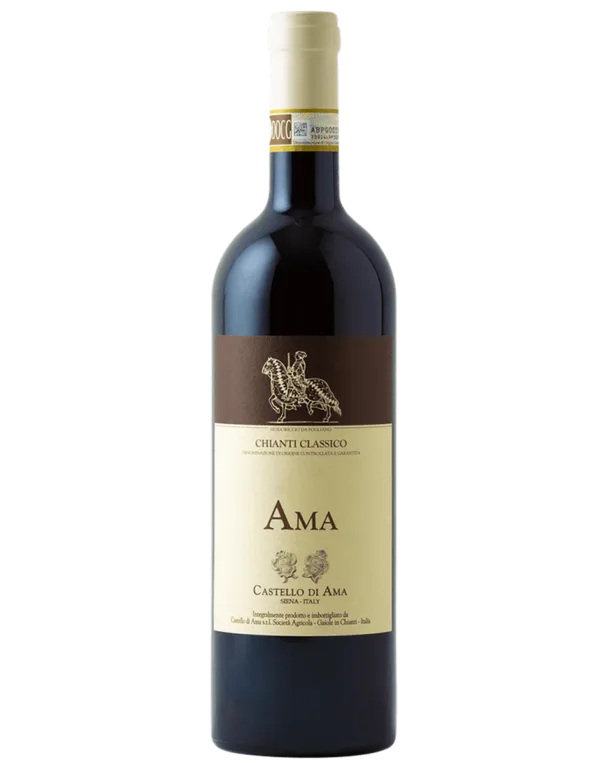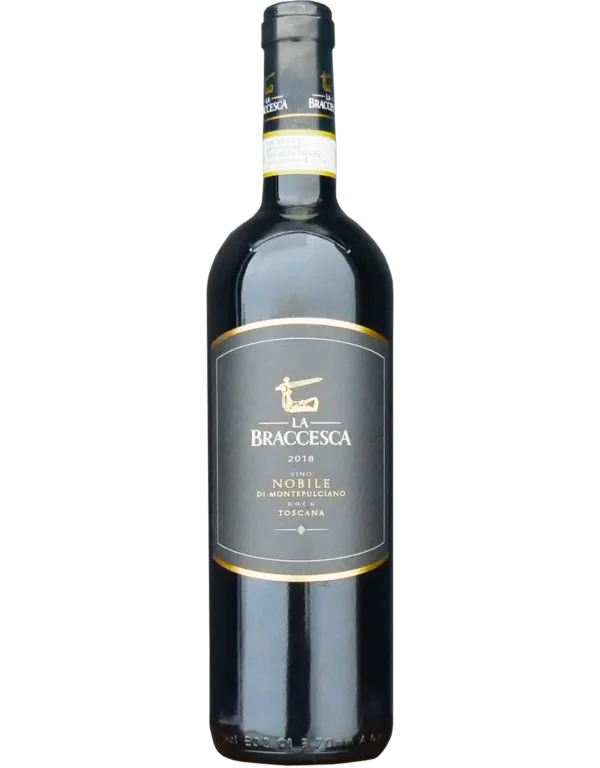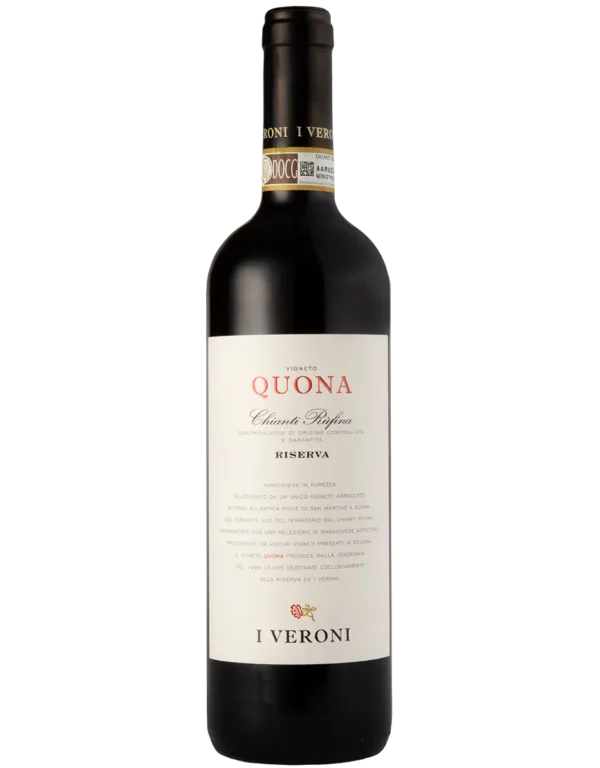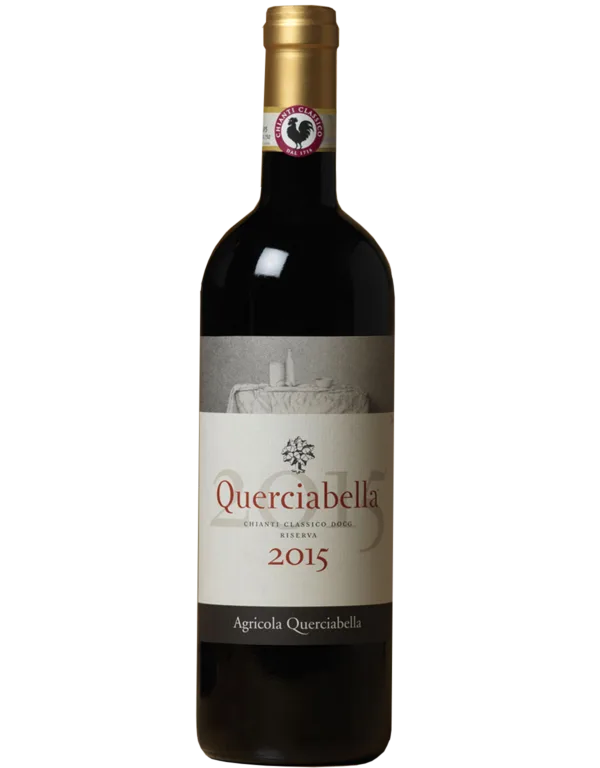
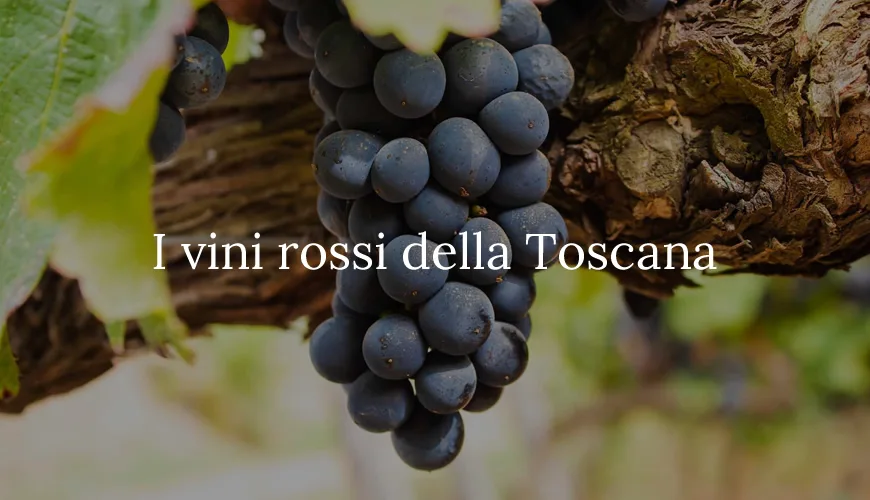
From the Chianti hills to the Tyrrhenian coast by way of the historic villages of Montalcino, Tuscany is a cradle of excellence in landscape, culture and food.
Tuscan red wine is one of them: known and loved all over the world, made from vines grown in every corner of the region, each red from Tuscany has its own distinctive character.
Few products can describe the specific character of such a varied land better than a good Tuscan wine. In a glass of red we find every trait of the Tuscan spirit: the history, the traditions and the far-sightedness of a people who since the most ancient times have expressed a deep passion for the art of viticulture.
The excellence of the Tuscan land is officially recognised through the many controlled designations of origin in the region, and thanks to the many producers who over the years have created true winemaking masterpieces, taken to success all over the world.
Let’s look at the appellations and get to know some of the styles of red wine better, along with the names behind them:
-
Pian delle Vigne, Brunello di Montalcino Antinori
Brunello di Montalcino Col d’Orcia -
Chianti Classico Castellare
Ruffino, Chianti Classico Riserva Docg
We will explore just a few aspects of these reds, and share some of our suggestions; the world of Tuscan red wines is so vast that it would deserve many more in-depth looks, which we devote ourselves to in researching and selecting the best bottles.
Tuscan DOCG red wine
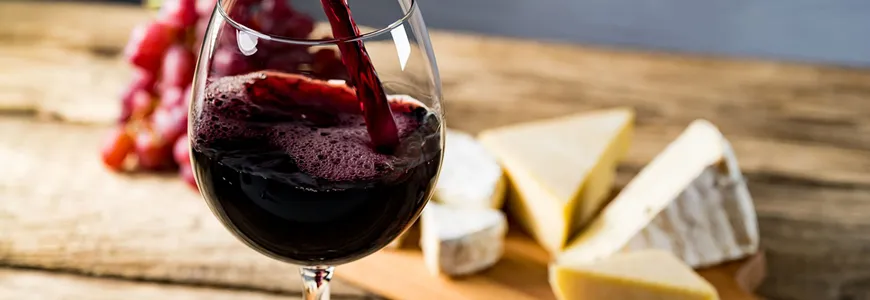
The number of Tuscan reds whose labels bear the words DOC or DOCG grows year after year.
Legislation on DOC, the controlled designation of origin, is relatively recent: the first rules on the subject only arrived in 1963. The current regulations stem from a 1992 law which, through the production rules, sets out the area the wine comes from, the maximum yield per hectare, the methods and timing of winemaking, ageing and maturation, and the characteristics of the wine when it is released for sale.
With the DOCG rules, denominazione di origine controllata e garantita, controls extend all the way to bottling, and the status is granted only to a very few wines of “particular quality and prestige”.
Every Tuscan DOCG red wine put on sale has passed the assessments that establish it meets the requirements of the production rules. The numbered DOCG seal is a foretaste of the pleasure of an extraordinary tasting experience.
Brunello di Montalcino
The first DOCG in Italy was granted to a Tuscan wine: Brunello di Montalcino, in 1980.
Brunello di Montalcino is produced exclusively within the municipality of Montalcino, in southern Tuscany, where towards the end of the 19th century a group of local winegrowers began the first experiments with Sangiovese wine, obtaining a wine of great quality that lends itself well to ageing. Since it was granted Italy’s first DOCG in 1980, Brunello production has grown in both quality and renown.
Brunello di Montalcino improves with time, becoming more intense, persistent and broad. Its hallmark is its ruby red colour, but the various expressions of Brunello also share an intense scent and a dry, enveloping flavour – red wines that go superbly with the famous bistecca alla fiorentina, roasts, feathered and furred game, truffles, mushrooms and cheese.
Like any self-respecting excellence, Brunello di Montalcino is one of the Tuscan reds subject to iron rules: Sangiovese grapes only, in line with the production rules, which set limits on yield per hectare, ageing times and the organoleptic qualities of the wine. Finally, the quality requirements for the DOCG must be recognised by a special commission.
Several Tuscan estates follow these strict rules, from the famous Antinori with its Pian delle Vigne to the traditional Col d’Orcia with its distinctive Brunello.
Pian delle Vigne, Brunello di Montalcino Antinori
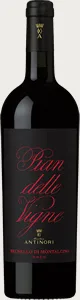
Elegant and balanced in character, Pian delle Vigne Antinori is a Brunello di Montalcino DOCG that perfectly represents its producer’s philosophy and the value of the land it comes from.
Intense aromas and a particular freshness flow into this highly versatile Tuscan red, made from grapes vinified with soft pressing and matured in large casks, a choice aimed at preserving the integrity of the Sangiovese grapes. The aim is to give this Antinori Brunello di Montalcino its vibrant, unmistakable elegance.
Its location is special too: the Pian delle Vigne estate lies a few km from Montalcino and includes 184 hectares, 65 of them vineyards facing south-west at around 130 metres above sea level, owned by Marchesi Antinori since the year of Pian delle Vigne’s first harvest, 1995.
Brunello di Montalcino Col d’Orcia
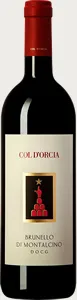
What makes Col d’Orcia’s Brunello special is the choice to respect the essence of Montalcino Sangiovese; it is a traditional estate that still relies on classic principles for its production. Examples include its Slavonian oak casks and the refinement of the wine through long periods in wood, ageing for 3 full years and waiting a further year before release.
Col d’Orcia’s Brunello di Montalcino DOCG expresses an elegant complexity, with a ruby red colour and garnet reflections. It is a Tuscan red wine that is complex on the nose and elegant, with fruity notes such as blackberry and spice from the oak.
A wine of excellent structure, full and persistent, with soft, ripe tannins – a great revelation from Tuscany that has earned wide acclaim.
Chianti
The Chianti area, which spans the provinces of Arezzo, Florence, Pisa, Pistoia, Prato and Siena, is the largest DOCG in Italy. It is an area so rich in red wine production that it contains geographical subzones, the oldest of which gives rise to Chianti Classico DOCG.
The Etruscans and the Romans already knew the virtues of this land and turned them into quality wine. Later, in the 13th century, the Chianti League began to regulate administrative relations with the producers of Sangiovese red, identifying the region as an official wine-producing area.
Today Chianti is the Tuscan red wine par excellence, a wine that has made the region famous all over the world and keeps the prestige of Italian winemaking high. In its great variety, Chianti is a wine for every occasion: the younger ones are particularly suited to pasta dishes with ragù, the more structured ones can be enjoyed with roast white meats; finally, the wines of great character and longer ageing are ideal with roasts, game and mature cheeses.
There are several types of Chianti – on this subject, read Tuscan red wine: there’s Chianti and then there’s Chianti (Classico) –, many expressions of Tuscany which, despite their individual traits, all come together in a red wine of great versatility at the table.
Chianti Classico Castellare
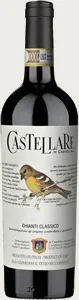
The Chianti Classico made by Castellare di Castellina comes from native grape varieties such as Sangiovese and, to a small extent, Canaiolo. It is the result of a revolution the estate set in motion in the 1970s with the aim of making high-quality wines: on the one hand, tradition at all costs in the vineyards and in the choice to grow native grapes; on the other, the introduction of new methods involving university research institutes and the advice of great winemakers.
Castellare di Castellina puts its name to a highly respectable Chianti Classico, with the typical ruby red colour and an exclusive range of aromas such as red fruit, currant, liquorice and vanilla. In the mouth it opens with sweetness, then makes way for a pleasant acidity. It is with its long, persistent finish that Chianti Classico Castellare di Castellina fully proves itself a remarkable wine, well worth tasting.
Ruffino, Chianti Classico Riserva Docg
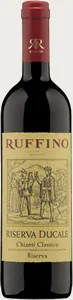
Riserva Ducale is the Chianti Classico Riserva from Tenute Ruffino, an estate deeply tied to Tuscany and a historic producer of great wines.
What sets this producer and its wines apart is its ethical calling, founded on three essential principles: the environment, responsible drinking and commitment to others. With this strong imprint, Ruffino makes wines of great impact and appeal, among which the Chianti Classico Riserva DOCG stands out as a fine example of Tuscan classicism.
A wine with a ruby red colour and garnet reflections, complex on the nose, with notes of amaretto and sour cherries, delicate hints of dark chocolate and a final note of leather. In the mouth it is harmonious and fruity, and the complex finish leaves a distinct memory of Sangiovese.
Bolgheri: Sassicaia and more
On the splendid Etruscan Coast, in the municipality of Castagneto Carducci, we find the grapes destined for Bolgheri wine production. This is also home to Sassicaia, a small area of the village of Bolgheri where one of the most prized Tuscan red wines is made.
The area is rich in history and natural beauty, and for a long time it was known for its rosé wines. Later, thanks to the commitment and experimentation of local estates, it made its name for the quality of its red wines, so much so that it attracted major investment from all over Italy and abroad. The turning point came with the amendment to the Bolgheri DOC production rules: in 1994 the importance of the great Bolgheri reds was also recognised, with the introduction of two styles, Bolgheri Rosso DOC and Bolgheri Superiore DOC.
A mention too for the subzone, Sassicaia, which was granted the Bolgheri Sassicaia DOC; in 2013 this became an appellation in its own right, guaranteeing and protecting this celebrated, excellent Tuscan red wine.
The Tuscan reds of Bolgheri are generally balanced and harmonious, despite their considerable structure. They are made from a blend of Cabernet and Merlot, together with Syrah, Petit Verdot and in some cases Sangiovese. Single-varietal wines are also permitted, and have become very popular among a number of Tuscan producers in recent years.
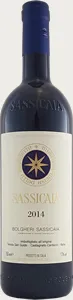
Among the Bolgheri wines, we could hardly fail to mention one of the most prized Super Tuscans, Sassicaia from Tenute San Guido. A Bordeaux blend aged for 24 months in barriques, it reflects the special organoleptic qualities of the grapes used, 85% Cabernet Sauvignon and 15% Cabernet Franc, and the character of a land particularly suited to producing fine reds.
An intense ruby red colour that turns towards garnet with time, a rich bouquet of fruity scents, harmony, elegance, remarkable structure: so many nuances to capture in every sip of this remarkable Sassicaia.
Also available in the exclusive vertical of Sassicaia 2014, 2016 and 2016!
An excellent red wine: Tuscan is a guarantee
Tuscan wine is today, to all intents and purposes, an ambassador of Italian wine culture throughout the world. Without taking anything away from other great wines of equal standing, it is a fact that Tuscan wine bears a strong Italian imprint – helped by the wonders of its land and the emotional response it can stir. Every lover of good wine counts Tuscany among their favourite destinations for a food and wine trip.
An excellent Tuscan red wine is generally also a fine one; a Tuscan bottle carries the guarantee of a land that speaks of quality and innate mastery, as if this region were itself a certificate of guarantee for red wine.
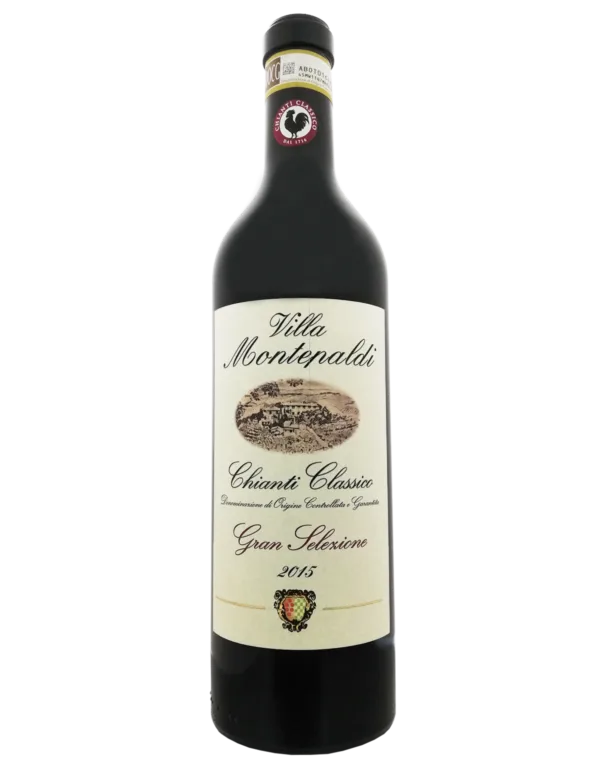
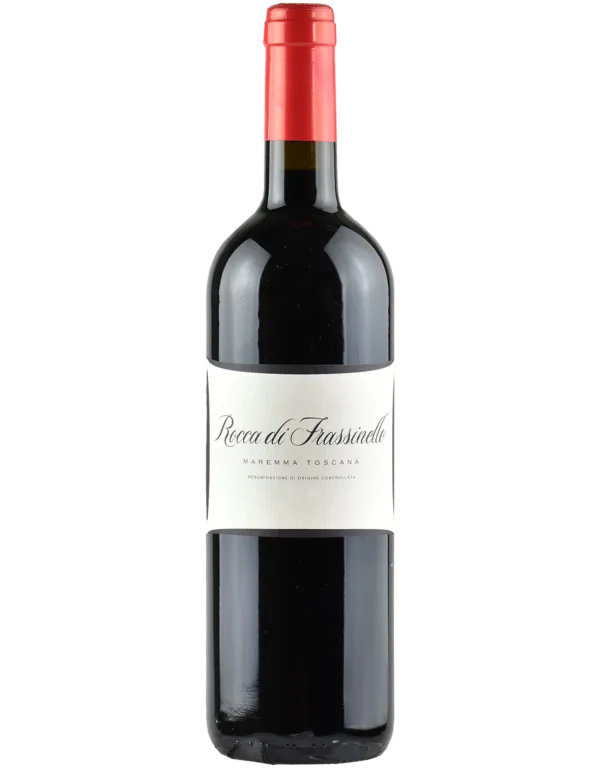
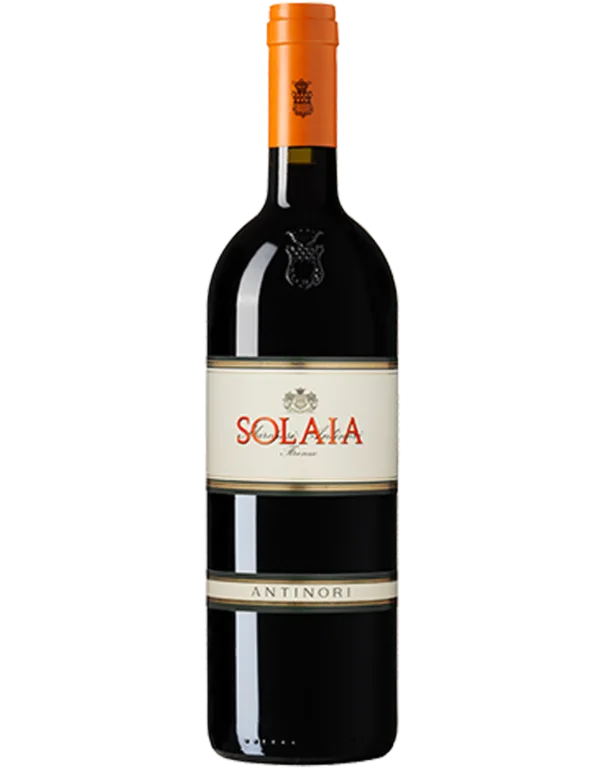
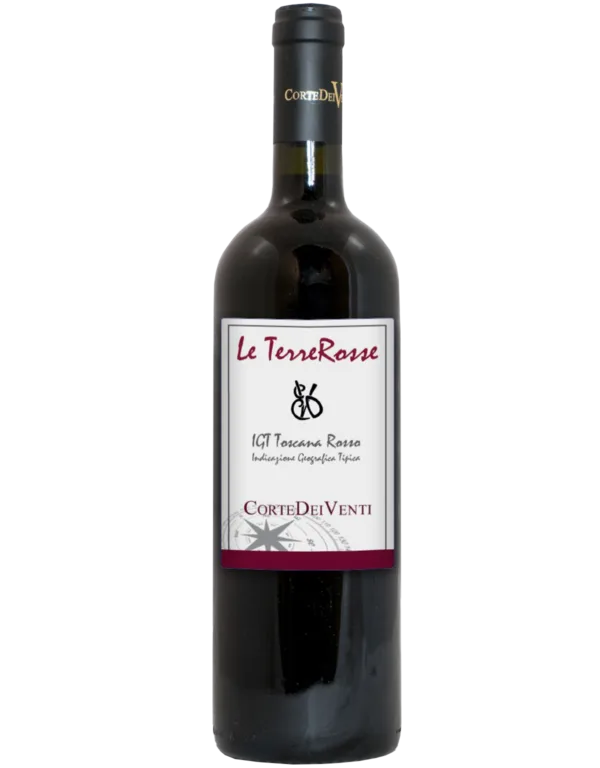
When it comes to names, you are spoilt for choice: in the meantime, here are our excellent Tuscan red wines.